

Site Search

Search the full site

Popular searches

Municipal

Shop Drawings for Municipal Glazing Projects

Municipal projects cannot afford drawing confusion once approvals, revisions, and field coordination start moving. MP Drafting supports municipal glazing scope with coordinated shop drawings built for architect review, revision clarity, and fewer downstream field questions across public buildings, phased work, accountability-heavy approval paths, and condition-sensitive project environments.

  • Clear dimensions, notes, and surrounding-condition coordination
  • Structured kickoff and preview process to catch missing information early
  • Professional, thorough drawing sets that generate fewer fabrication and field questions
Municipal

Municipal glazing projects create a specific kind of pressure

The approval path is often more formal, the documentation carries more weight, and the drawings may need to stand up to multiple rounds of review without creating confusion for fabrication or the field. Reviewers need a clean submittal. Fabricators need complete dimensions and condition clarity. Installers need drawings they can actually use without stopping to reinterpret what was intended.

That is where MP Drafting fits. We are not positioned as a commodity drafting vendor. We are a precision planning partner focused on coordination, documentation discipline, and drawing sets that reduce questions before fabrication and installation begin.

For experienced glazing PMs, the issue is usually not finding someone to draft the job. The issue is finding someone who communicates clearly, handles revisions in a controlled way, and does not create more work for the team. This page is built for municipal projects where glazing scope needs to move through review, revision, and execution with less confusion.

Civic building, public entrance, or public-sector glazing

Why This Project Type Creates Pressure

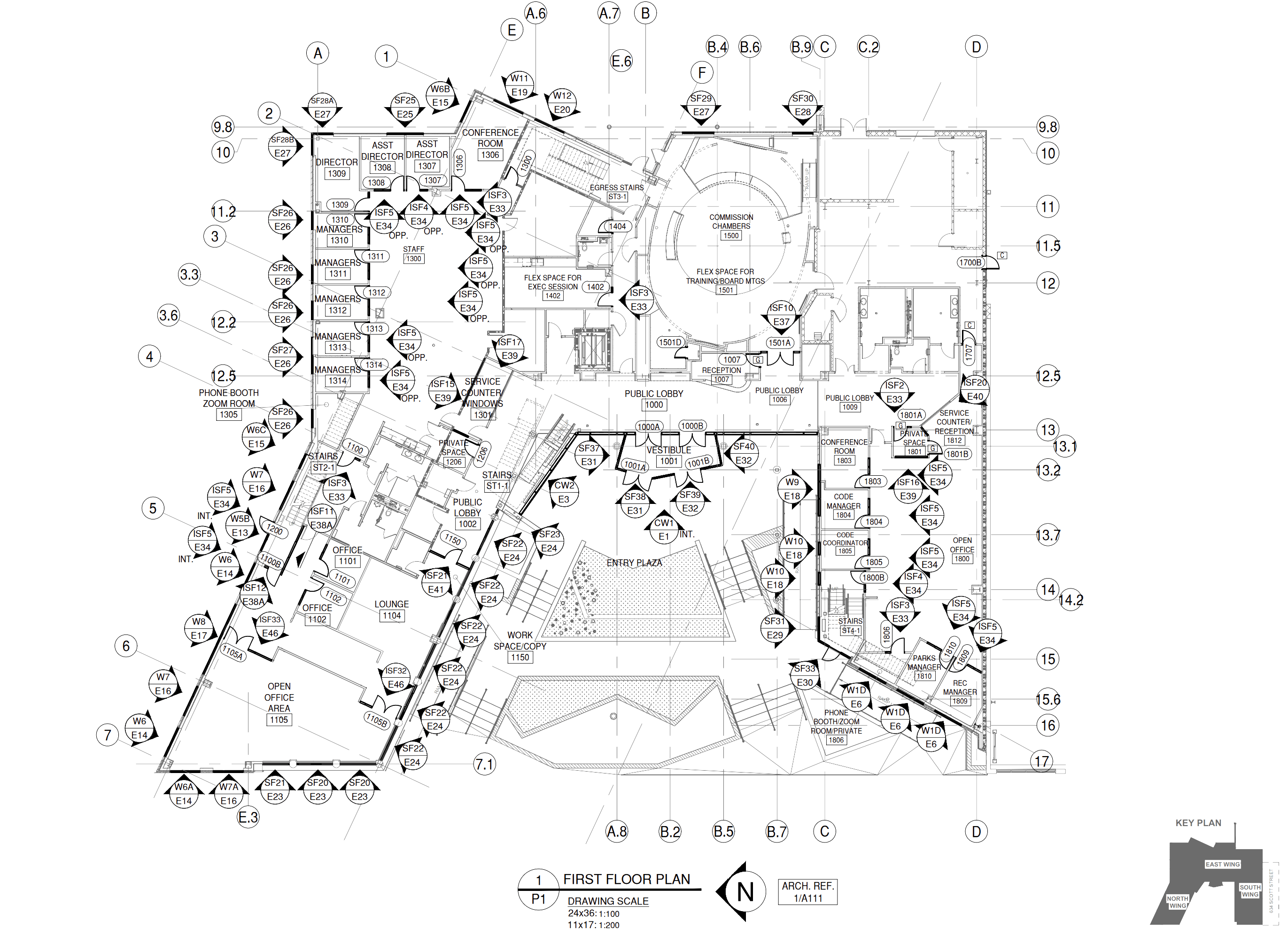
Municipal projects often raise the cost of unclear documentation. Public-sector work tends to involve more formal review, more accountability around revisions, and less tolerance for drawing gaps that create downstream questions. A single project may include public entrances, security-sensitive openings, phased renovation areas, occupied conditions, or multiple stakeholders reviewing the same submittal set. Even when the glazing scope looks straightforward on paper, the coordination burden is usually higher once the job is moving.

That pressure increases when PMs are trying to keep approvals moving while also protecting fabrication and installation from preventable issues. If dimensions are vague, surrounding conditions are not shown clearly, or comments are handled loosely, the job slows down. In that environment, shop drawings are not just paperwork. They are the planning layer that helps the project move without constant rework.

Formal review with higher accountability

Public-sector submittals often move through more formal approval paths. Drawing gaps generate comments that are harder to resolve quickly and create more schedule exposure.

Sensitive conditions and occupied scope

Public entrances, security-sensitive openings, phased renovation areas, and occupied conditions require more documentation precision than clean new construction environments.

Multiple stakeholders, one submittal set

Architects, GCs, owner representatives, and agency reviewers may all review the same package. Each drawing gap is an opportunity for conflicting interpretations.

Common Coordination Risks

On municipal jobs, small documentation gaps can create larger downstream problems. Here is where they typically start.

Thorough drawing sets

Complete dimensions, condition detail, and opening references that reduce preventable questions before fabrication and installation begin.

Responsive communication

Questions, comments, and revisions handled clearly so architect review and municipal approval paths do not drift into avoidable confusion.

Structured kickoff and preview

Missing information surfaced early through a more organized start to the job, especially where occupied conditions, phased work, and formal review matter.

Opening gaps and condition ambiguity

Opening information may appear workable until adjacent conditions, anchorage requirements, or actual field realities are reviewed more closely. If surrounding conditions are not shown clearly, fabrication and installation questions usually show up later when they are harder to solve. Municipal work has less tolerance for those gaps than most commercial project types.

Approval drag and revision control

Public-sector projects often involve more back and forth around comments, redlines, and clarification requests. If the original drawing set is too generic or not organized well, every revision becomes harder to manage and easier to misunderstand. What should be a controlled update turns into more PM follow-up, more redraw time, and more schedule exposure. If the set is not structured well from the beginning, every revision round becomes more disruptive than it needs to be.

What Experienced PMs Need From Shop Drawings

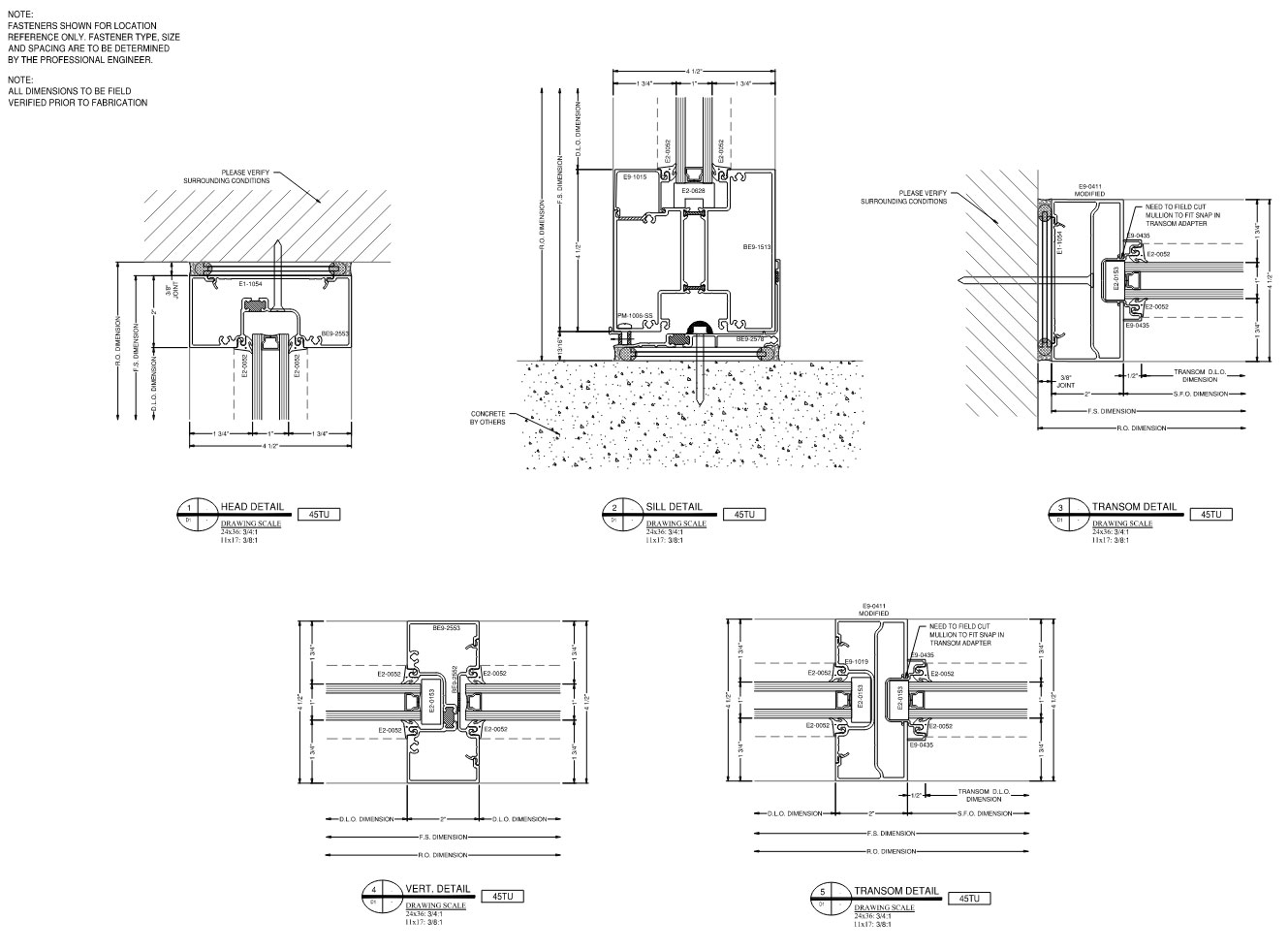
Experienced PMs are not looking for flashy drawings. They want a set they can trust. That means complete dimensioning, clear frame locations, usable notes, and detail that reflects actual project conditions instead of generic assumptions.

They also need a drafting partner who understands that municipal work leaves little room for loose coordination. Good shop drawings do not come from assumptions. They come from clear scope, project-specific input, and early clarification of what could hold the job up. The goal is not to make the PM manage every detail twice. The goal is to build the right questions into the process early so the review and submittal path stays cleaner.

For many PMs, confidence comes from drawings that look professional, read clearly, and generate fewer questions from architects, fabricators, and field teams. That is the standard this page is written to support.

What the set needs to accomplish

For review
Professional presentation, organized sheets, complete notes that hold up to formal approval scrutiny
For fabrication
Complete dimensions, accurate conditions, clear documentation that does not leave gaps to resolve later
For the field
Usable layout and condition detail across sensitive and phased areas that does not require interpretation to install correctly

Validate what a complete, coordinated set actually looks like.

How MP Drafting Supports This Industry

MP Drafting supports municipal glazing projects with a structured approach built around Precision Planning. We start with the architectural drawings, specifications, and project information needed to understand the job clearly. From there, we use a kickoff and project preview process to identify missing information, surface questions early, and reduce back and forth later.

Our role is coordination. We align architectural conditions, fabrication-level detail, installer layout clarity, and revision discipline into one organized drawing path. When engineering is required, engineering remains structural validation. Drafting remains the coordination layer that turns the project into a coherent, reviewable set.

This matters on municipal work because the job usually cannot tolerate vague documentation. Reviewers need a professional submittal. Fabricators need complete dimensions. Installers need conditions that make sense in the field. MP Drafting is built to support that reality.

1 Intake and kickoff

Architectural drawings, scope, and project-specific preferences gathered early, including occupied conditions, phased release requirements, and any field verification workflow expectations.

2 Project preview

Early review to identify missing information and potential hold-ups before they create problems in a project where formal review and accountability are already elevated.

3 Controlled production and revision

Questions handled through production, revisions tracked, and the set kept coherent through formal review cycles and architect markups into submittal readiness.

Relevant Systems and Scope

Municipal glazing scope can vary, but the documentation pressures are familiar. Typical project scope may include:

  • Public entrance and storefront conditions
  • Administrative and civic-building glazing packages
  • Renovation scope requiring field verification or phased release workflows
  • Interior glazed systems and condition-sensitive openings
  • Associated detail sheets, elevations, schedules, and revision updates
  • Coordination-heavy openings where surrounding conditions matter as much as the frame itself

The common thread is not a single system. It is the need for coordinated shop drawings that help multiple parties work from the same understanding of the job. If the scope is still evolving, MP Drafting can also align the level of detail to the project phase so the deliverable matches what the job actually needs.

Where Early Clarity Prevents Delays

Early clarity prevents delays when missing information is identified before the set is deep into production. It prevents delays when architectural inconsistencies are caught before they become fabrication or field conflicts. It prevents delays when dimensions, surrounding conditions, and installation assumptions are shown clearly enough that downstream teams are not forced to fill in the gaps later.

It also prevents delays during revisions. Municipal projects often move through review comments, architect markups, and coordination updates. The cleaner the original set and the clearer the revision structure, the easier it is to keep the project moving without losing control of the documentation.

On some jobs, first-round shop drawings may also support field verification before final dimensions are locked. When that workflow is expected, it needs to be addressed early so the process stays organized instead of reactive.

  • Missing information surfaced before production is deep into the set
  • Architectural inconsistencies caught before they become field or approval conflicts
  • Revision cycles kept organized so the set holds up through formal review rounds
  • Field verification workflows built into the process from the beginning, not added reactively

If you are managing a municipal glazing project, the real question is not whether drawings will be produced. The question is whether the set will help the job move cleanly through review, revision, fabrication, and installation.

MP Drafting is built for teams that need the work done right and do not have time to babysit the process. If your current provider is overloaded, the approval path is too sensitive for vague documentation, or you need a more structured path to submittal, this is a practical place to start.

FAQs

Municipal Shop Drawing Questions

Common questions about coordinating glazing shop drawings on municipal projects.

Do you support municipal renovation projects as well as new construction?

Yes. The scope may include renovation work, occupied conditions, public-facing openings, or new construction packages. The focus is coordinated shop drawings that support review, revision, fabrication, and installation.

What makes municipal shop drawings harder to get right?

The challenge is usually coordination, not just drawing production. These projects often involve more formal review, higher documentation expectations, architect comments, and revision cycles that need to be surfaced before they create downstream problems.

Can you help if our current drafting source is backed up?

Yes. One recurring reason customers reach out is that their current provider is overloaded, slow to turn revisions, or difficult to rely on. MP Drafting is positioned to step in with a more structured process and clearer communication.

Can your drawings support architect review and redline revisions?

Yes. Revision handling is part of the workflow. The goal is controlled updates with clear communication so the set stays organized and continues moving toward submittal instead of creating confusion.

Do your drawings help reduce field confusion?

That is one of the main goals. Thorough dimensions, notes, and condition-based detailing give field teams more of the information they need to locate and install the system correctly.

Do we need engineering before shop drawings?

Not automatically. Drafting and engineering serve different roles. Shop drawings coordinate layout, conditions, and fabrication detail. Engineering handles structural validation when required.

What do you need from us to get started on a municipal project?

At minimum, architectural drawings, specifications, and clear scope. Project-specific preferences are also helpful. MP Drafting uses a kickoff approach to gather what is needed and reduce assumptions early.

Can first-round shop drawings be used for field verification?

Yes, when the project workflow calls for it. Some jobs use the first round of shop drawings for field verification before final dimensions are confirmed, and that expectation should be built into the process from the beginning.

View Complete FAQs More questions answered clearly.

Need municipal shop drawings that are easier to review and easier to use?

Send the project scope, drawings, and deadline. MP Drafting will help you align the right level of detail, surface missing information early, and move toward a cleaner submittal path.