

Site Search

Search the full site

Popular searches

Shop Drawing Services

Advanced Detailing Drafting for Commercial Glazing Projects

MP Drafting supports advanced detailing glazing projects with structured drafting, live coordination, and clear drawing updates as design decisions evolve. The goal is to keep your project moving without pushing confusion downstream into submittals, fabrication, or installation.

  • Live drawing support during active design phase changes
  • Clear coordination with customer, architect, and engineer when required
  • Structured revisions that keep evolving sets readable and usable
Advanced Detailing Drafting

Advanced Detailing Drafting

Design build glazing work creates a different kind of pressure than a standard submittal path

The drawings are not just documenting a finished decision. They are helping the team work through an active one. Scope shifts, missing information, architectural inconsistencies, field realities, and engineering needs can all move at the same time.

That is where commodity drafting starts to break down. If the drafter is only reacting sheet by sheet, the set becomes harder to trust with every change. Revision churn increases. Questions multiply. The PM ends up managing the drafter instead of managing the project.

That is why MP Drafting approaches Advanced Detailing Drafting as precision planning during an active project phase. Our role is to organize evolving information into a coordinated drawing package that stays clear enough to review, update, hand off, and build from as the project develops.

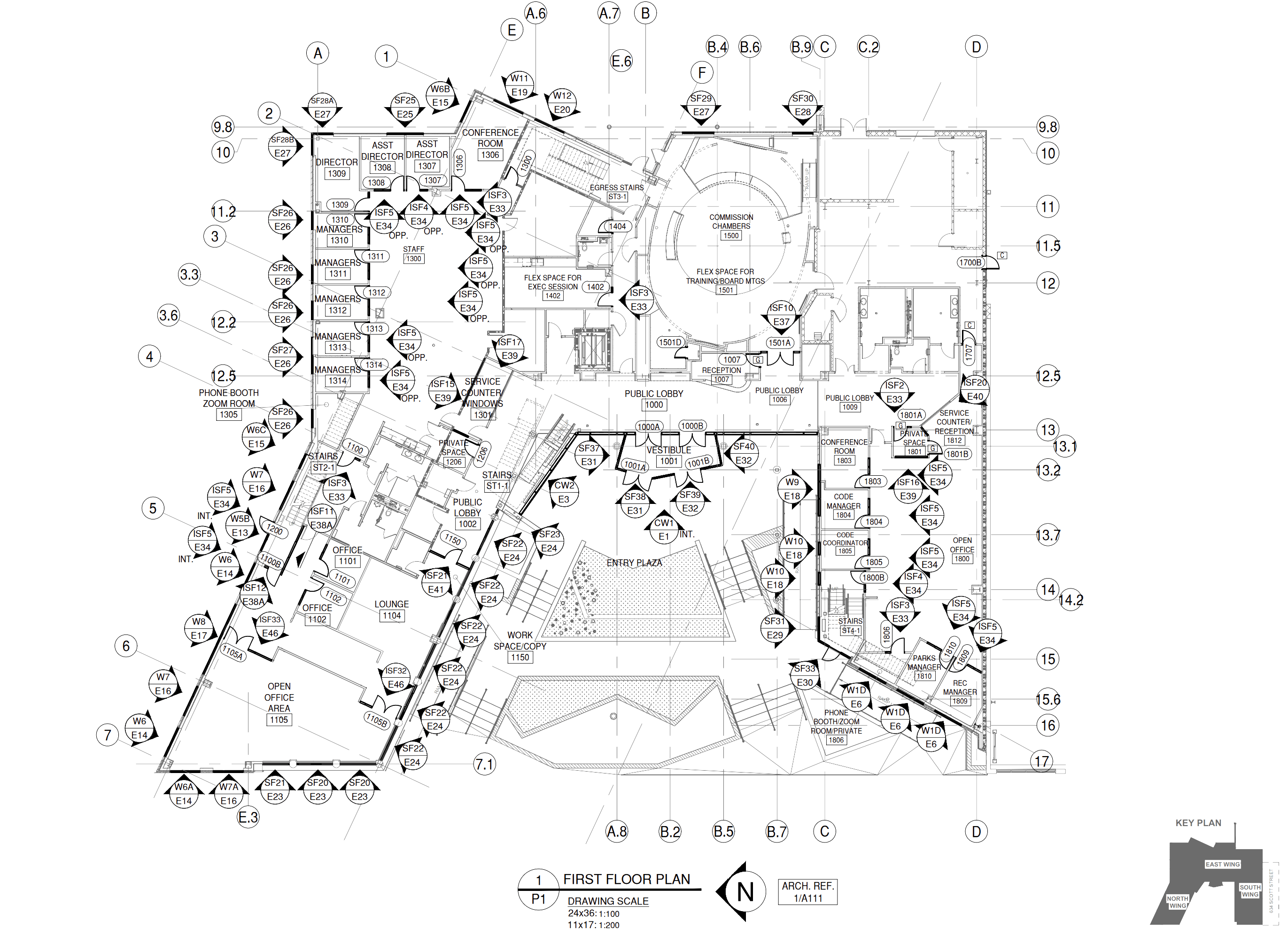
Early-phase glazing layout, overlay coordination, or evolving detail development

What We Handle

MP Drafting supports Advanced Detailing Drafting glazing projects that need more than a static approval set.

This service is built for jobs where the design is still being developed, details are still being resolved, and the drawing package needs to stay aligned as decisions are made. That can include early layout development, evolving system coordination, drawing updates tied to architect input, design-phase collaboration, and support for projects that will eventually move into a more complete submittal path.

It is a strong fit for negotiated work, early-phase coordination, and jobs where your team needs a drafting partner who can keep the set organized while the project is still moving. Our role is to translate changing project information into a usable drawing package -- keeping layouts coherent, clarifying conditions as they become known, managing revision flow, and helping your team avoid the kind of scattered updates that create downstream confusion later.

Live layout development

Drawing updates and layout coordination tied to active design decisions, not just documentation of finished conditions.

Evolving system coordination

Drawings that keep up with scope shifts, partial information, and architectural changes as they happen.

Multi-party coordination support

Coordination with customer, architect, and engineer when required, through a single organized drafting path.

Revision flow management

Structured revision handling so the set stays readable and usable through active design-phase changes rather than becoming a layered patchwork.

What Usually Goes Wrong

Advanced Detailing Drafting work usually goes sideways when the drawings are treated like a normal finished-phase package before the project is actually settled. Assumptions get baked in too early. Important gaps stay unresolved. Notes do not keep up with design changes. Revisions stack on top of a weak baseline. Before long, the team is working from a set that looks current but is not truly coordinated.

For the PM, the real cost is not just redraw time. It is the management overhead. You start fielding questions from architects, engineers, fabricators, installers, and internal stakeholders because the package is no longer giving everyone the same answer. That is when submittals slow down, confidence drops, and every update takes more effort than it should.

This is also where switchers start looking for a new drafting partner. Thoroughness, professional appearance, responsiveness, and being easy to reach matter even more on Advanced Detailing Drafting work because the project cannot tolerate long periods of silence or loose revision control.

Revision clarity, notes, and dimension organization

Common Advanced Detailing Drafting problems

  • Assumptions baked in before design decisions are settled
  • Revisions stacking on a weak baseline without controlled tracking
  • Set looks current but is not truly coordinated when checked

What MP Drafting Brings to the Project

MP Drafting is built for customers who need the job done right and do not have time to babysit the drafter.

Responsive communication

Accessible throughout production so design-phase questions get answered quickly and do not become delays or compounding assumptions.

Controlled revisions

Structured revision tracking so changes stay organized as design decisions evolve rather than turning into a scattered update history.

Coordinated drawing sets

Plans, elevations, and details that stay aligned with each other through active changes rather than drifting out of coordination.

A kickoff process that surfaces issues early

New clients often hesitate because switching drafting providers feels risky. The way MP reduces that hesitation is through structure. We use a kickoff process to gather job-specific information early. We review the package up front to identify what is missing or what could hold up production. That early preview helps get the back and forth out of the way before it starts causing delays later.

Built for ongoing coordination, not just handoff

Our standard is a more complete, coordinated, and professional set that helps your team move through design development, review, and handoff with less friction. For Advanced Detailing Drafting work, that means the package can keep pace with the project -- readable sheets, clear dimensions, useful notes, and communication that stays accessible when questions come up throughout the design phase.

What the Drawings Need to Clarify

A strong Advanced Detailing Drafting package needs to do two things at once. It needs to communicate the current design intent clearly, and it needs to stay controlled enough that future changes do not make the set unreliable.

That usually means clear plans, elevations, details, dimensioning, notes, and revision handling that distinguish between confirmed information and items still being coordinated. The set should show enough detail to support real project decisions, but it also needs to make unresolved conditions visible instead of hiding them inside assumptions.

On glazing projects, that can include surrounding conditions, frame locations, attachment logic, layout references, estimated or pending information, and clarification notes for items that still require architect or engineer input. When the architectural set contains inconsistencies, the drawings need to help surface those conflicts early so your team can address them through the right channel instead of discovering them after the package has moved further downstream.

Coordination notes, design-phase clarification language, or architectural conflict resolution
  • Confirmed information distinguished from items still being coordinated
  • Unresolved conditions visible in the set rather than hidden in assumptions
  • Architectural inconsistencies surfaced early for RFI or clarification
  • Revision history organized so the set stays reliable through changes

Downstream Support

How This Supports Fabrication and Installation

Good Advanced Detailing Drafting has value long before final release because it shapes the quality of the handoff that comes later. If the set is coordinated early, fabrication planning is cleaner. If the set is readable through revisions, installation teams are less likely to inherit confusion that started in the design phase.

Fabricators prefer drawing packages that are complete enough to reduce questions before work begins. Installers need layouts, dimensions, and details they can trust once the job reaches the field. That trust does not happen by accident. It starts with a drawing process that keeps information organized while the job is still evolving.

MP Drafting focuses on handoff quality. Better planning during Advanced Detailing Drafting means fewer surprises when the job reaches approval, ordering, fabrication, and installation. The point is not to make the drawings look busy. The point is to make the set more useful to the people who have to rely on it next.

Cleaner fabrication handoff

A coordinated set during design means fabrication planning starts from a more reliable baseline rather than inheriting unresolved gaps.

Field confidence carried forward

Installation teams inherit fewer design-phase assumptions when the set has been kept organized through active revision cycles.

Fewer downstream surprises

Conflicts and unclear conditions surfaced during Advanced Detailing Drafting instead of discovered during approval, ordering, or the field.

When to Bring MP In

The best time to bring MP in is when the project is still active enough that early coordination will prevent later cleanup. If the design is moving, the architectural set is not fully settled, or your team needs a clearer path through design-phase changes, that is the right time to start the conversation.

We are also a strong fit when your regular drafting source is overloaded, communication has dropped off, or quality is starting to slip under schedule pressure. That is a common switching trigger. Many customers come to MP because they need a drawing partner that is responsive, easy to reach, and capable of delivering a professional set without extra management overhead.

If engineering support may be required later, call that out early. We can help keep the coordination path organized while maintaining a clear separation between drafting and structural validation.

When a different level of support fits better

Not every project that starts in Advanced Detailing Drafting mode stays there. Some jobs begin with active coordination and then move into a more typical submittal path once the design settles. That is why MP's service structure is built around project phase, not one fixed output for every job.

  • Streamlined package when only early approval documentation is needed
  • Standard coordinated submittal set when design has settled enough to move forward
  • Advanced Detailing Drafting when the project still needs live coordination and active updates

Compare what is included at each level before you submit a job.

Related Support and Options

When the project needs additional coordination beyond the drawing set, here is how MP can help.

FAQs

Advanced Detailing Drafting Questions

Common questions about scope, process, and what to expect when working with MP Drafting on advanced detailing glazing projects.

Can this support a project that will use first-round drawings for field verification?

Yes. If field verification is part of the workflow, that should be identified early so the drawing path can be structured around expected updates and final dimensions.

Do you provide engineering as part of Advanced Detailing Drafting?

Engineering is separate from drafting. Drafting handles coordination and drawing development. Engineering is structural validation when required. We keep those roles clearly separated.

How do you handle revisions on projects that are still changing?

You review the set and provide feedback, then MP revises the package in a controlled way to keep it moving toward submittal. The goal is controlled revisions, not revision chaos.

Is this service only for large or highly complex projects?

No. It is a fit whenever the project is still evolving and your team needs active coordination instead of a static drafting handoff.

What do you need from us to get started?

At minimum, send the architectural drawings, current scope, and any known project preferences or deadlines. A clear kickoff helps reduce assumptions early.

What if our current drafting provider is falling behind or not communicating?

That is one of the most common reasons customers reach out. MP is often brought in when timelines are slipping, communication has dropped off, or confidence in the existing set is low.

What makes Advanced Detailing Drafting different from a standard shop drawing package?

Advanced Detailing Drafting supports a project while design decisions are still being worked through. The package needs to stay coordinated and readable as information changes, not just document a finished condition.

View Complete FAQs More questions answered clearly.

Need design build drafting support that can keep up with the project?

Send your project information and current drawings, and we will quote the right level of support up front. The goal is simple: give your team a coordinated package that stays usable as the design evolves and easier to review, hand off, fabricate, and install from.