
Site Search

Search the full site

Popular searches

Industries We Support

Commercial glazing is not one-size-fits-all. The project type changes the schedule pressure, review expectations, and the coordination issues that show up late if the drawings are thin.

MP Drafting is built for planning that holds up in submittal and in the field.

Send drawings and scope. We will quote the right level of detail up front.

Industries

Choose Your Project Type

Start with the project type closest to your job. Each page calls out the coordination patterns we see most and what "good planning" needs to include.

If you are on a deadline, quoting is faster than a long vetting cycle.

What Changes by Industry

The glazing system might be similar, but the constraints are not. Review cycles, site access, phasing, and compliance expectations shift by project type. That is why we route work by planning needs, not by a generic "shop drawing package."

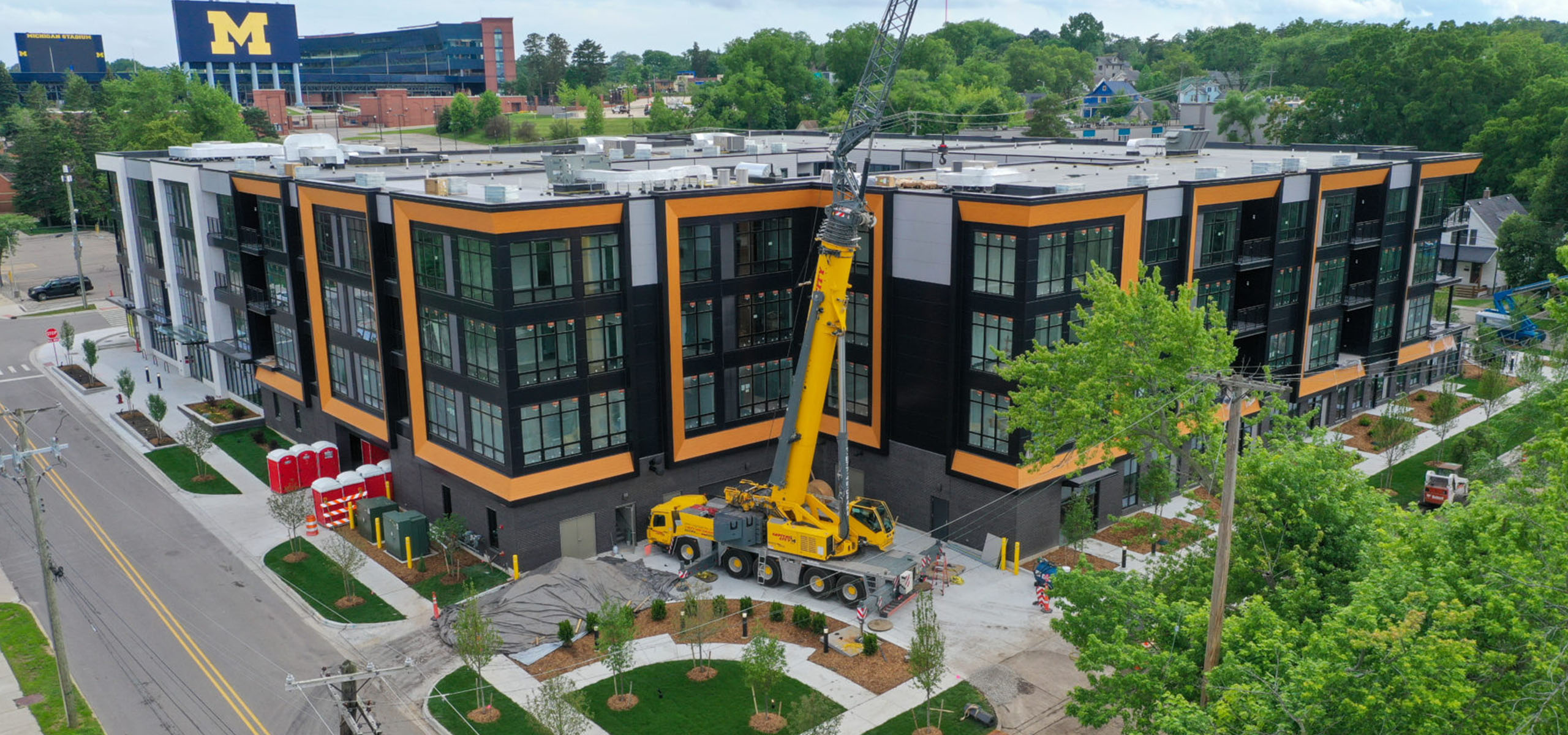
Commercial glazing project type reference image

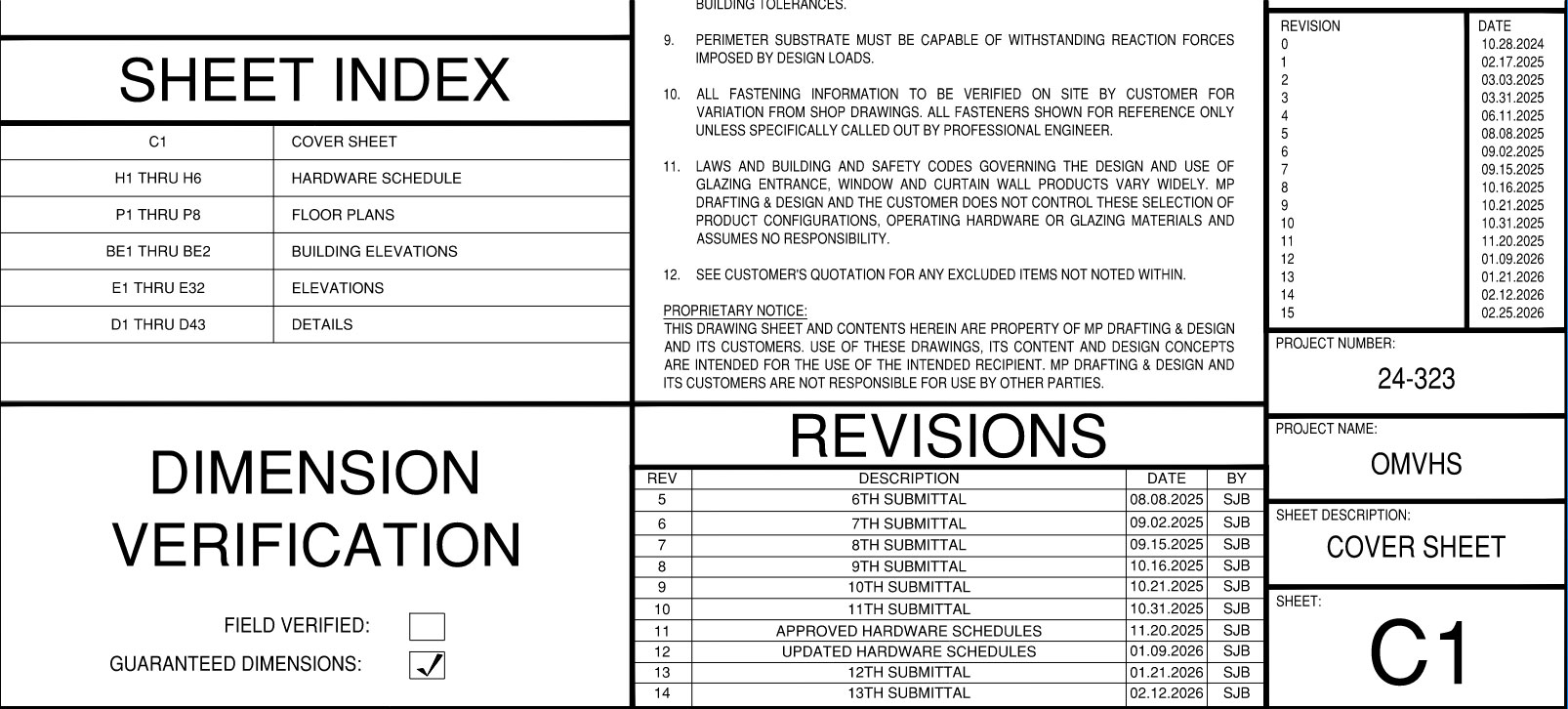
See how intake, questions, and revisions stay controlled.

Review expectations

Some projects demand tighter documentation to pass approval without multiple round-trips.

Schedule compression

Certain project types run on hard dates where revisions are not optional.

Coordination density

More trades and more interfaces mean more chances for missed conditions if the drawings are thin.

Field verification realities

Some projects require the first set to be strong enough to support field verification and final dimensions.

Common Coordination Risks We Plan Around

These are the issues that create the most churn across industries. Good planning prevents rework, missed scope, and field questions that stall install.

Surrounding conditions not shown clearly

Fasteners and anchors get guessed when structure is assumed instead of drawn.

Incomplete dimensioning

Layout and in-out references matter when crews are locating frames in real space.

Revision chaos

Changes get lost when deltas are not clean and the set is not controlled.

Approval readiness

If the set is not "ready to submit," the review cycle drags and the schedule pays.

Look for complete dimensions, fastener callouts, and clean revision handling.

What changes when drawings move from basic to coordinated.

Levels of Detail That Match the Phase

Not every industry needs the same output on every job. The right question is what the project phase demands. We scope work using three levels so expectations are clear from day one.

Level 1

Quick Draw

Fast, streamlined drawings for early-stage or budget-sensitive work.

  • Basic system details
  • Generic conditions
  • Faster Lead Times
Send Us a Job
Level 2 Brand Standard

Typical Detail

Our standard for most commercial submittals.

  • Accurate surrounding conditions
  • Correct fasteners matched to the condition
  • Coordination dimensions and column line references
  • Clear notes
Send Us a Job
Level 3

Advanced Detailing

Expanded drafting support for projects requiring more.

  • Design Assist services
  • 3D Isometrics or option detailing
  • Studies for complex conditions
  • Drawings using client standards or templates
Send Us a Job

What PMs Ask For When the Job Gets Real

These are real inbound requests that show up across project types. They map directly to why planning quality matters.

"Can you clarify what happens if comments come back after submission?"

"Let me know when these might be ready to submit for approval."

"We would like to have the revisions by tomorrow."

"Also, would this proposal include changes for the A/E redlines?"

"Once we have the first round of shop drawings, I'll use those for field verification and then provide final dimensions."

Project review and revision workflow image

Tell us your deadline and review path. We will scope accordingly.

How we keep revision cycles predictable.

Proof You Can Review Quickly

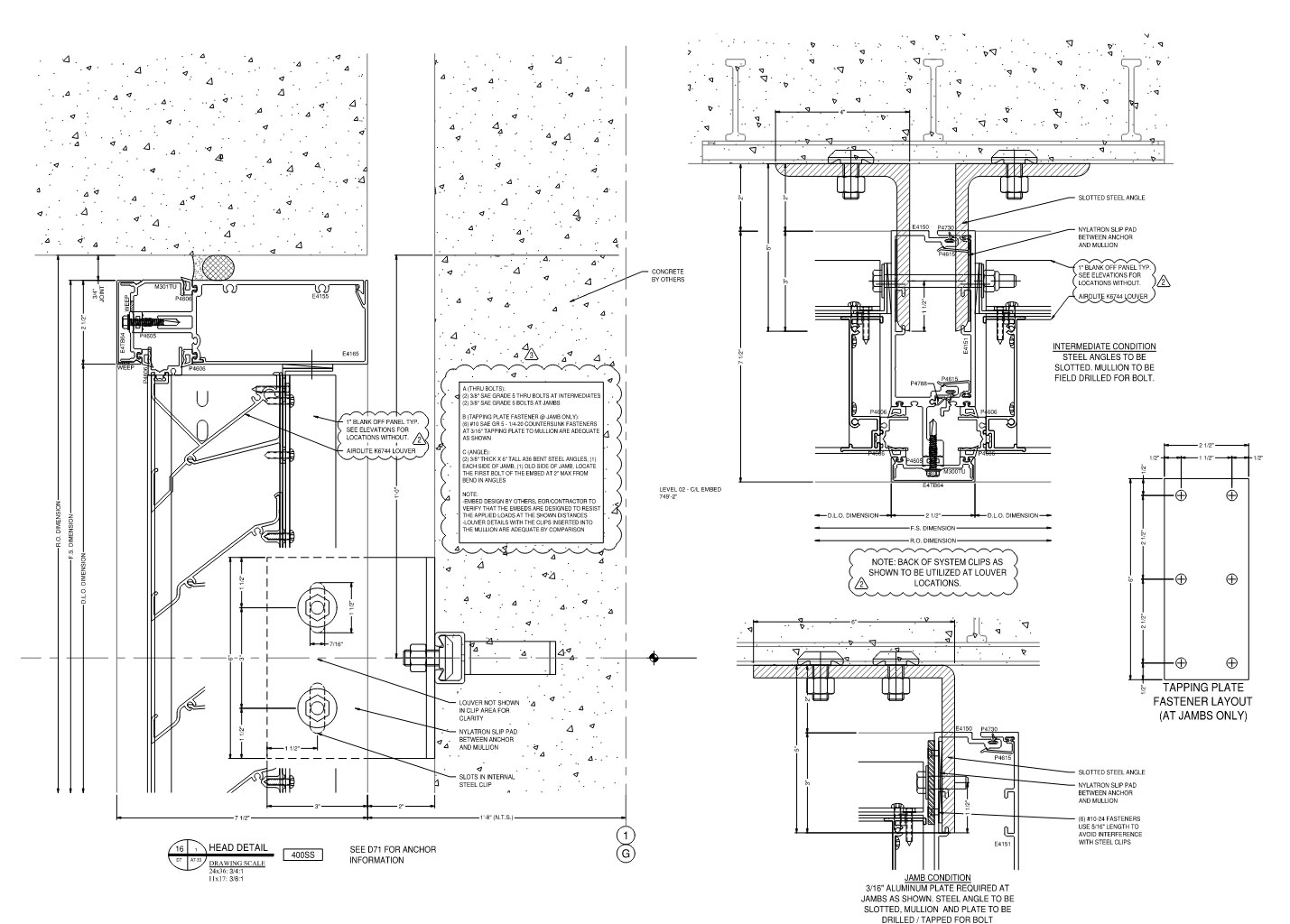
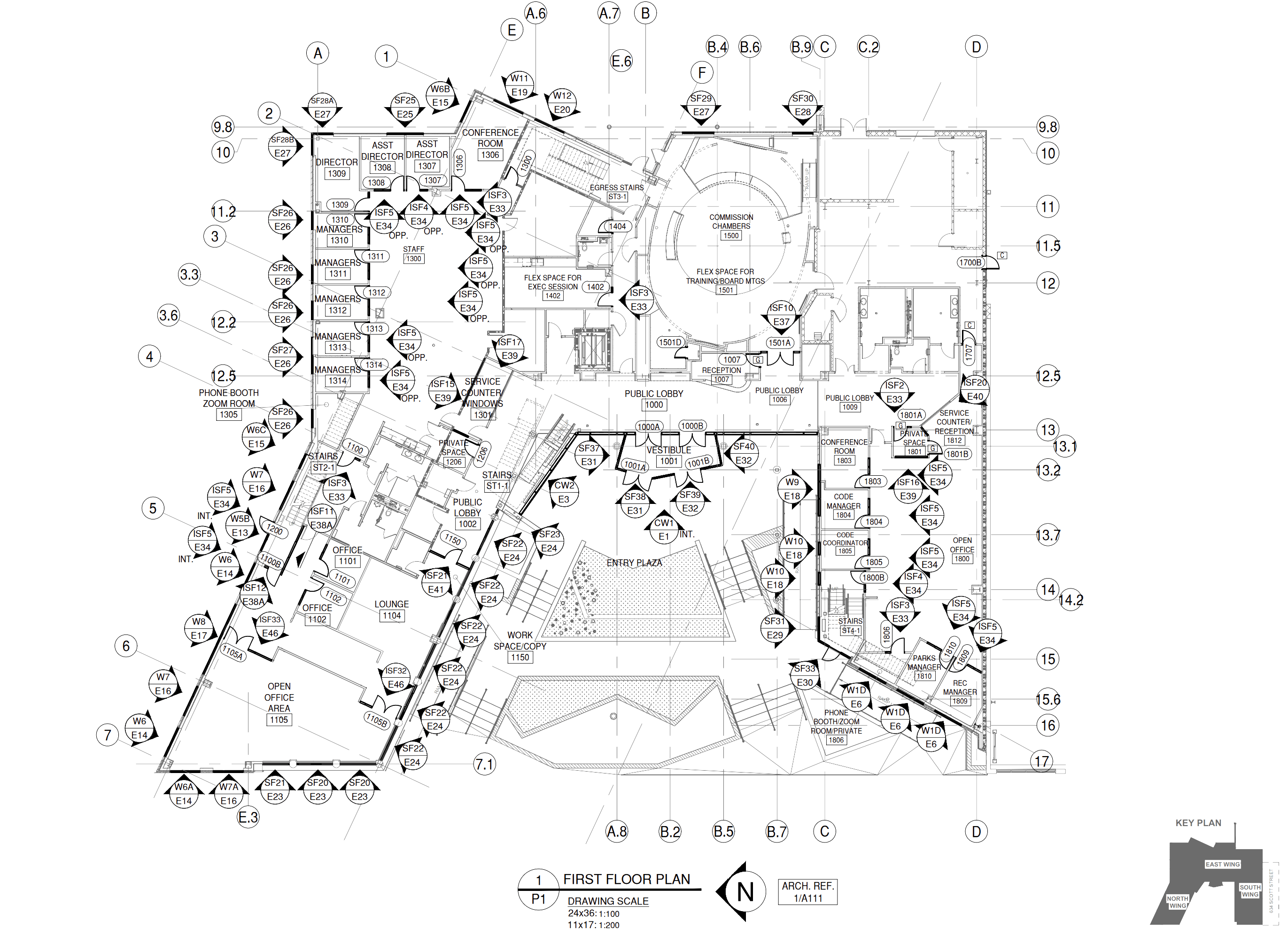
If you are evaluating a drafting partner, you should not have to guess. Use the sample drawings to verify the details that usually cause delays: complete dimensioning, fasteners matched to conditions, column lines, surrounding conditions, and clean revisions.

Filter by system type and zoom in on the details that matter.

See how services map to system types.

FAQs

Common Questions Before You Switch

Short answers to the questions that come up before teams switch drafting partners.

Can you turn revisions quickly when schedules compress?

We plan around revision cycles by getting inputs clarified early and keeping deltas clean. If you have a hard deadline, share it at intake so scope and expectations match reality.

Does your quote include A/E redlines?

Quotes are scoped to revision expectations. If A/E redlines are part of your approval path, that needs to be included in scope up front.

Will the first set be usable for field verification and final dimensions?

That depends on the level of detail and what inputs are confirmed. If field verification is the plan, we scope the set so it supports that workflow.

Do you provide engineering?

We can coordinate engineering support when required. Engineering is structural validation and does not replace the planning and coordination within shop drawings.

View Complete FAQs More questions answered clearly.

Ready to Scope a Job?

Send your project and we will quote the right level of detail based on your industry constraints, approval path, and schedule. The goal is coordinated drawings you can submit and build from, without managing every step.