

Site Search

Search the full site

Popular searches

Healthcare

Clear shop drawings for healthcare glazing work that cannot afford confusion

MP Drafting supports healthcare glazing scope with coordinated shop drawings built for architect review, revision clarity, and fewer downstream field questions across clinics, medical office buildings, and hospital-related projects.

  • Thorough, coordinated drawings built for review, fabrication, and field use
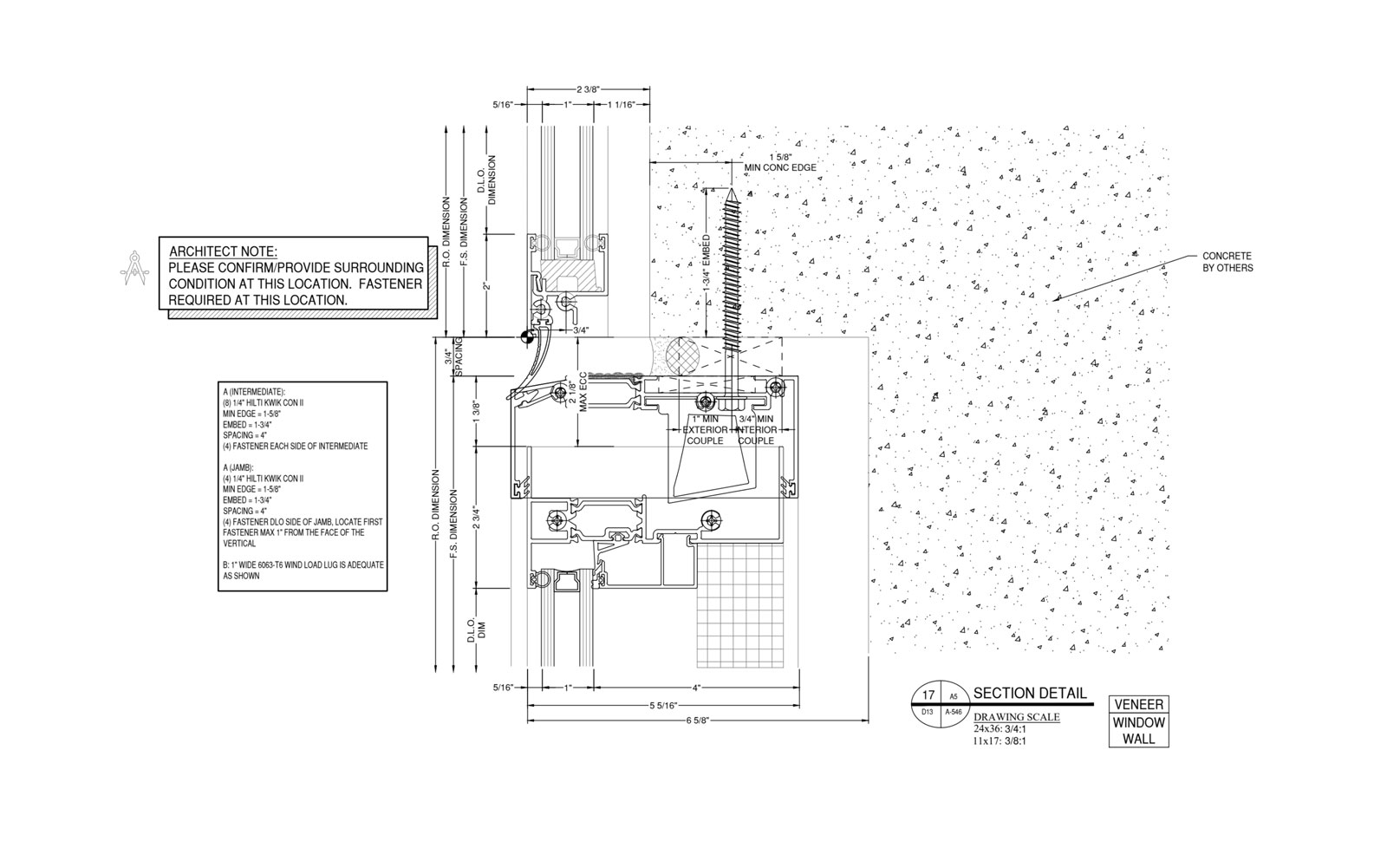
  • Clear dimensions, fastener callouts, notes, and surrounding condition detail
  • Structured revision workflow that helps keep updates controlled and traceable
Healthcare

Healthcare glazing projects create a particular kind of pressure

The submittal has to move, revisions have to stay organized, and the drawing set has to work for more than one audience at the same time. Reviewers want a professional package. Fabricators need complete dimensions and condition clarity. Field teams need drawings they can use without stopping to interpret what was meant.

That is where MP Drafting fits. We are not positioned as a commodity drafting vendor. We are a precision planning partner focused on coordination, documentation discipline, and drawing sets that reduce questions before fabrication and installation begin.

For experienced glazing PMs, the issue is usually not finding someone to draw. The issue is finding someone who understands the job, communicates clearly, and does not create more work for the team. This page is built for healthcare projects where glazing scope needs to move through review, revision, and execution with less confusion.

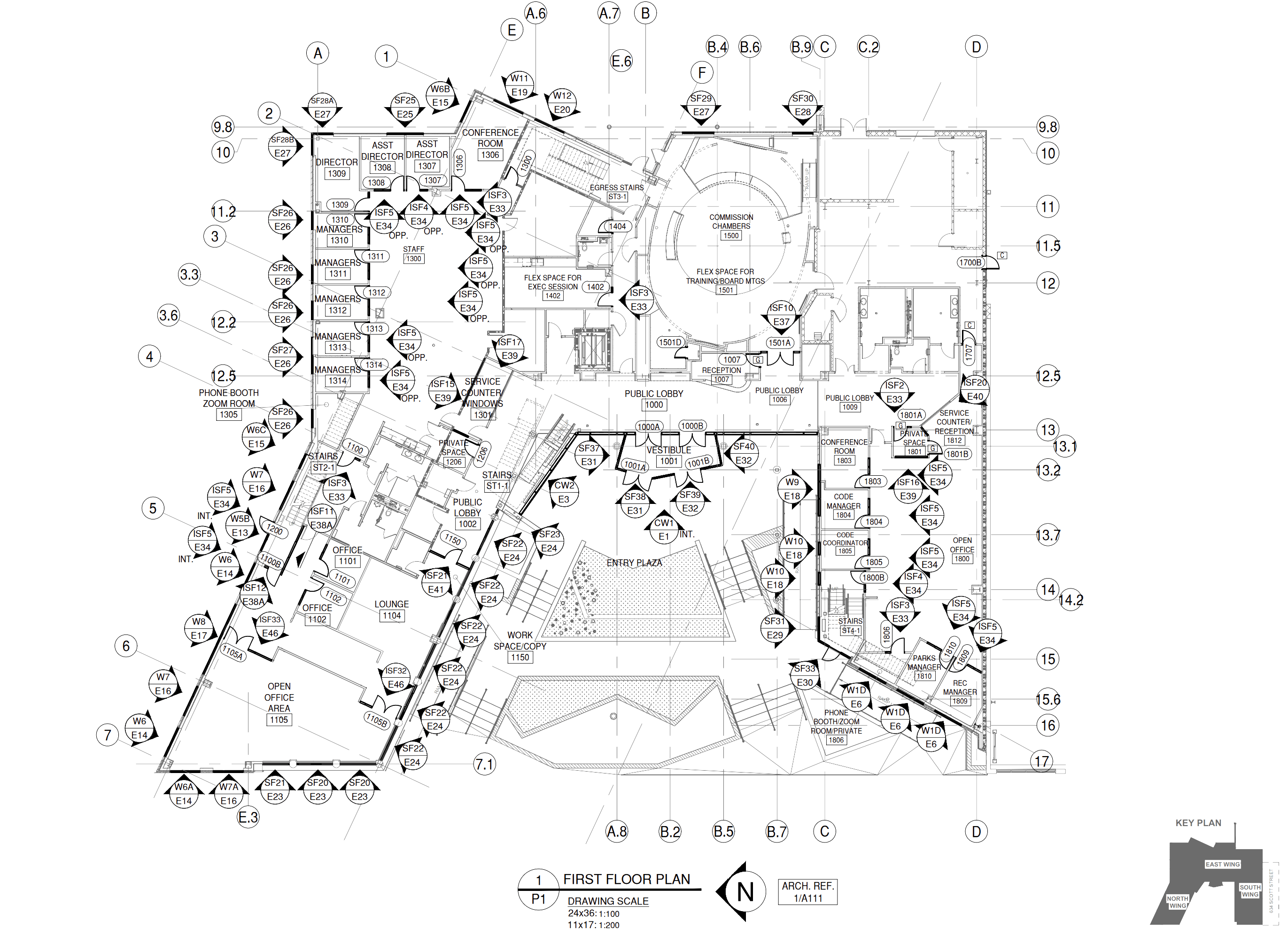
Healthcare facility exterior glazing

Why This Project Type Creates Pressure

Healthcare projects put more pressure on glazing documentation because the drawing set has to support tight coordination, clean approvals, and controlled revisions. The work may involve entrances, storefront, curtain wall areas, interior glazing, replacement scopes, or phased renovation conditions that all need to read clearly in one organized package.

That pressure grows when schedules are already tight and the project team has little tolerance for drawing confusion. PMs are trying to keep submittals moving, answer review comments, coordinate with the architect, and avoid handing the field a set that creates preventable questions. In that environment, shop drawings are not just paperwork. They are the planning layer that helps the project move without constant rework.

Multiple review audiences

Architects, owners, fabricators, and field crews all need to work from the same set, each with different priorities and different stakes in the outcome.

Mixed and phased scope

Entrances, storefront, curtain wall, windows, interior glass, and renovation conditions often appear in the same package and need coordinated documentation throughout.

Tight schedules with limited revision tolerance

Submittals are often on deadline and revision cycles do not have room for a second round caused by avoidable drawing gaps.

Common Coordination Risks

On healthcare jobs, drawing problems rarely stay isolated. Here is where they start and where they end up.

Coordinated drawings

Complete dimensions, condition detail, and opening references that eliminate the most common questions before fabrication and installation begin.

Fastener clarity

Attachment conditions coordinated to actual surrounding structure rather than left vague. This reduces the most common field and review surprises on healthcare work.

Structured revisions

Organized revision handling with clear communication so the set stays coherent through multiple review rounds without drifting into confusion.

Size, quantity, and condition gaps

If sizes are wrong, frames may not fit. If quantities are wrong, material ordering can be affected. If surrounding conditions are not shown clearly, fabrication and installation questions usually show up later when they are harder to solve. If fasteners are not coordinated to actual conditions, the field may be left trying to resolve issues that should have been addressed earlier.

Inconsistency in the architectural set and revision risk

A condition may be shown one way on a plan and another way on an elevation. Opening information may look workable until real joint or layout requirements are considered. When those conflicts are not surfaced during drafting, they usually reappear as review comments, redraws, or field slowdowns. Revision control is another risk point: healthcare work often moves through multiple review cycles, and if the original set is not organized well, every revision becomes harder to manage and easier to misunderstand.

What Experienced PMs Need From Shop Drawings

Experienced PMs are not looking for impressive language. They want a set they can trust. That means complete dimensioning, clear frame locations, usable notes, and detail that reflects actual conditions instead of generic assumptions.

They also need a drafting partner who understands that healthcare work leaves little room for loose coordination. Great shop drawings do not come from assumptions. They come from clear scope, project-specific input, and early clarification of what could hold the job up. The goal is not to make the PM manage every detail twice. The goal is to build the right questions into the process early so the review and submittal path stays cleaner.

For many PMs, confidence comes from drawings that look professional, read clearly, and generate fewer questions from architects, fabricators, and field teams.

What the set needs to accomplish

For review
Professional presentation, organized sheets, complete notes that reduce comment volume
For fabrication
Complete dimensions, accurate conditions, clear sizes and quantities matched to scope
For the field
Usable layout and condition detail that does not require interpretation to install correctly

Validate what a complete, coordinated set actually looks like.

How MP Drafting Supports This Industry

MP Drafting supports healthcare glazing projects with a structured approach built around Precision Planning. We start with the architectural drawings, specifications, and project information needed to understand the job clearly. From there, we use a kickoff and project preview process to identify missing information, surface questions early, and reduce back and forth later.

Our role is coordination. We align architectural conditions, fabrication-level detail, installer layout clarity, and revision discipline into one organized drawing path. When engineering is required, engineering remains structural validation. Drafting remains the coordination layer that turns the project into a coherent, reviewable set.

This matters on healthcare work because the job usually cannot tolerate vague documentation. Reviewers need a professional submittal. Fabricators need complete dimensions. Installers need conditions that make sense in the field.

1 Intake and kickoff

Architectural drawings, scope, and project-specific preferences gathered early to reduce assumptions before production starts.

2 Project preview

Early review to identify missing information and potential hold-ups before they create schedule problems later in production or review.

3 Controlled production and revision

Questions handled through production, revisions tracked, and the set kept coherent from first pass through submittal readiness.

Relevant Systems and Scope

Healthcare glazing scope can vary, but the documentation pressures are familiar.

Typical project scope may include:

  • Storefront systems
  • Entrances and entry sequences
  • Curtain wall conditions
  • Window packages
  • Interior glass and framing applications
  • Renovation and replacement glazing scope
  • Associated detail sheets, elevations, schedules, and revision updates

The common thread is not a single system. It is the need for coordinated shop drawings that help multiple parties work from the same understanding of the job. If the scope is still evolving, MP Drafting can also align the level of detail to the project phase so the deliverable matches what the job actually needs.

Where Early Clarity Prevents Delays

Early clarity prevents delays when missing information is identified before the set is deep into production. It prevents delays when architectural inconsistencies are caught before they become fabrication or field conflicts. It prevents delays when fasteners, surrounding conditions, and dimensions are shown clearly enough that downstream teams are not forced to fill in the gaps later.

It also prevents delays during revisions. Healthcare projects often move through review comments, architect markups, and coordination updates. The cleaner the original set and the clearer the revision structure, the easier it is to keep the project moving without losing control of the documentation.

That is why MP Drafting treats shop drawings as a planning discipline. The goal is not just to produce sheets. The goal is to reduce the avoidable issues that slow healthcare glazing projects down.

  • Missing information surfaced before production is deep into the set
  • Architectural inconsistencies caught before they become field conflicts
  • Revision cycles kept organized so the set stays coherent through approval
  • Fabricators and field crews inherit a package they can trust

If you are managing a healthcare glazing project, the real question is not whether drawings will be produced. The question is whether the set will help the job move cleanly through review, revision, fabrication, and installation.

MP Drafting is built for teams that need the work done right and do not have time to babysit the process. If your current provider is overloaded, the project is too important for vague documentation, or you need a more structured path to submittal, this is a practical place to start.

FAQs

Healthcare Shop Drawing Questions

Common questions about coordinating glazing shop drawings on healthcare projects.

Do you support both exterior and interior glazing scope on healthcare projects?

Yes. Healthcare glazing work may include storefront, entrances, curtain wall areas, windows, and interior framing or glass scope. The focus is coordinated shop drawings that support review, revision, fabrication, and installation.

What makes healthcare shop drawings harder to get right?

The challenge is usually coordination, not just drawing production. These projects often require clear dimensions, condition-based detailing, revision discipline, and careful handling of inconsistencies within the architectural set.

Can you help if our current drafting source is backed up?

Yes. One recurring reason customers reach out is that their current provider is overloaded, slow to turn revisions, or difficult to rely on. MP Drafting is positioned to step in with a more structured process and clearer communication.

Do your drawings help reduce field confusion?

That is one of the main goals. Thorough dimensions, notes, fastener clarity, and condition-based detailing give field teams more of the information they need to locate and install the system correctly.

Do we need engineering before shop drawings?

Not automatically. Drafting and engineering serve different roles. Shop drawings coordinate layout, conditions, and fabrication detail. Engineering handles structural validation when required.

What do you need from us to get started on a healthcare project?

At minimum, architectural drawings, specifications, and clear scope. Project-specific preferences are also helpful. MP Drafting uses a kickoff approach to gather what is needed and reduce assumptions early.

Can you handle architect markups and revisions?

Yes. Revisions are part of the workflow. The goal is controlled revision handling with clear communication so the set stays organized and moves toward submittal instead of drifting into confusion.

How do we know the drawings will be professional enough for review?

Professional presentation and thoroughness are recurring trust factors for customers. MP Drafting is built around complete, usable drawing sets that support review without creating unnecessary uncertainty.

View Complete FAQs More questions answered clearly.

Need healthcare shop drawings that are easier to review and easier to use?

Send the project scope, drawings, and deadline. MP Drafting will help you align the right level of detail, surface missing information early, and move toward a cleaner submittal path.