
Site Search

Search the full site

Popular searches

Shop Drawing Services

Shop Drawings for Handrail and Guardrail Projects

MP Drafting produces coordinated handrail and guardrail shop drawings that help your team submit cleanly, order correctly, and reduce avoidable confusion around layout, anchorage, attachment conditions, and revisions.

  • Coordinated drawing sets built for review, fabrication planning, and field use
  • Clear dimensions, notes, and attachment detail that reduce preventable questions
  • Structured kickoff, responsive communication, and controlled revisions from start to submittal
Shop Drawings for Handrail and Guardrail Projects

Handrail & Guardrail Scope

Handrail and guardrail scopes can look straightforward until the project reaches submittals

That is usually where attachment conditions, base details, transitions, heights, layout, and surrounding construction all have to align clearly. If they do not, the problems show up later as review comments, ordering mistakes, field delays, and revision churn.

That is why MP Drafting approaches this work as precision planning, not generic drafting. Our role is to turn the architectural set, scope, system information, and project-specific preferences into a coordinated package your team can actually use.

For experienced glazing PMs, the issue is rarely finding someone who can draw the rail. The issue is getting a set that is clear enough to hand off, structured enough to move through review, and complete enough that you are not spending the rest of the job managing avoidable questions.
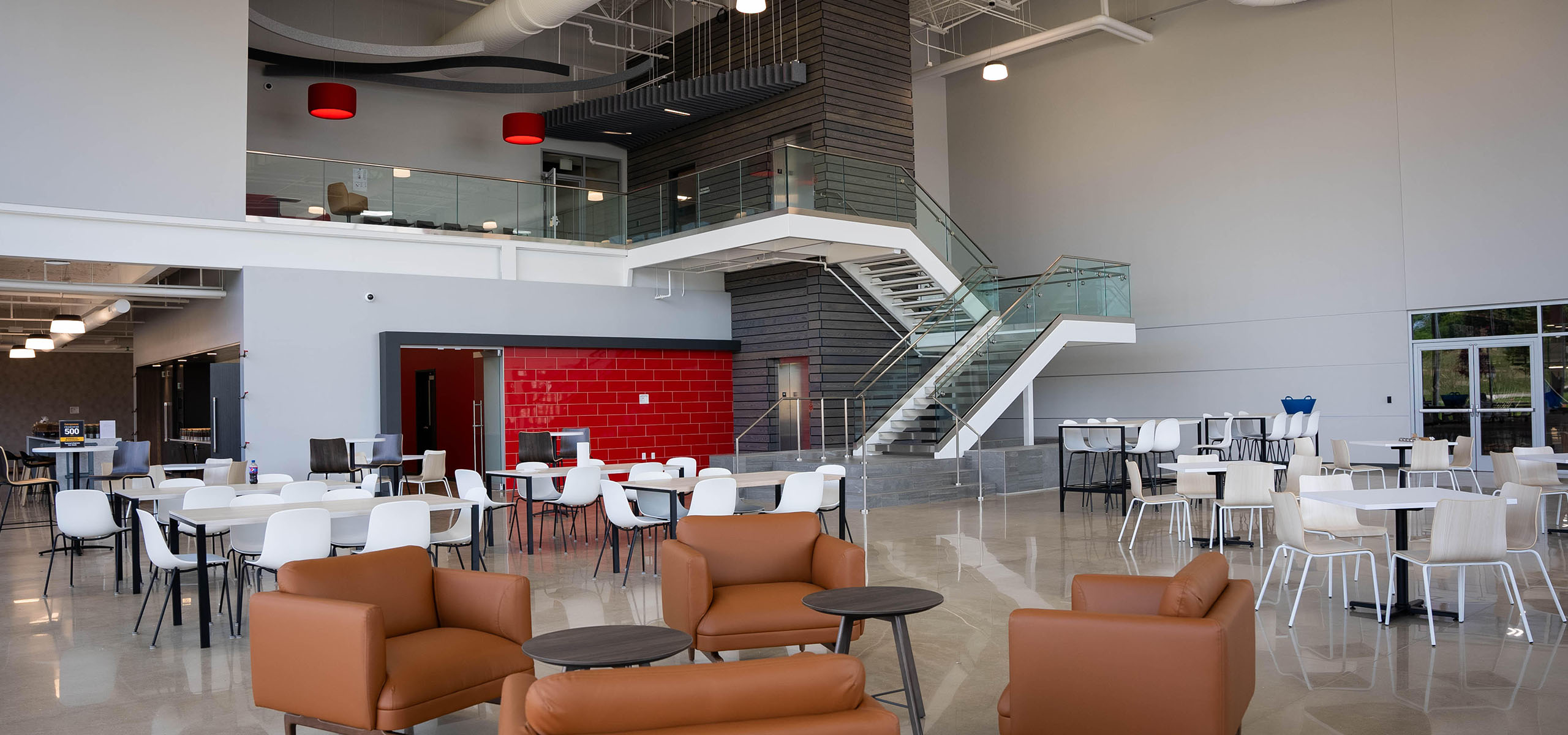
Handrail or guardrail elevation and detail

What We Handle

MP Drafting supports handrail and guardrail shop drawing packages where attachment clarity and coordination matter.

That includes projects that need more than a simple elevation or a generic detail. These jobs often require plans, elevations, sections, attachment details, notes, and revision control that reflect the actual project conditions rather than a rough assumption of how the rail will be installed.

We build sets that help clarify layout, rail extents, transitions, base conditions, and how the system interfaces with the surrounding structure. When the project depends on manufacturer or supplier information, we also work to capture the details your team already knows up front. For rail work, that can matter more than people expect. Part numbers, component selections, and job-specific preferences can make the difference between a set that moves cleanly and one that creates questions later.

Plans, elevations, and sections

Coordinated sheet sets that reflect actual project conditions rather than generic assumptions about rail installation.

Attachment and base details

Base plate, anchorage intent, and surrounding condition detailing that supports review and reduces field questions.

Component and system coordination

Part numbers, component selections, and manufacturer or supplier information captured up front so the set reflects the actual job.

Revision-controlled updates

Changes tracked and managed so the drawing set stays organized as the project develops through review cycles.

What Usually Goes Wrong

Handrail and guardrail projects tend to run into trouble when the drawings stay too generic. The layout may be shown, but not clearly enough to support approval or field use. Attachment intent may be implied instead of coordinated. Surrounding conditions may be incomplete. Dimensions may not tell the full story. Revision comments start stacking on top of a weak first pass.

That is where downstream problems start. Material can be ordered incorrectly. Fabrication can move off the wrong interpretation. Installation crews can lose time trying to confirm location, anchorage intent, or transition conditions in the field.

Once that happens, the PM ends up spending time answering questions that should have been reduced earlier in the process. MP exists to reduce that chain reaction. The goal is not just to issue a drawing set. The goal is to create a package that answers more questions before they are asked.

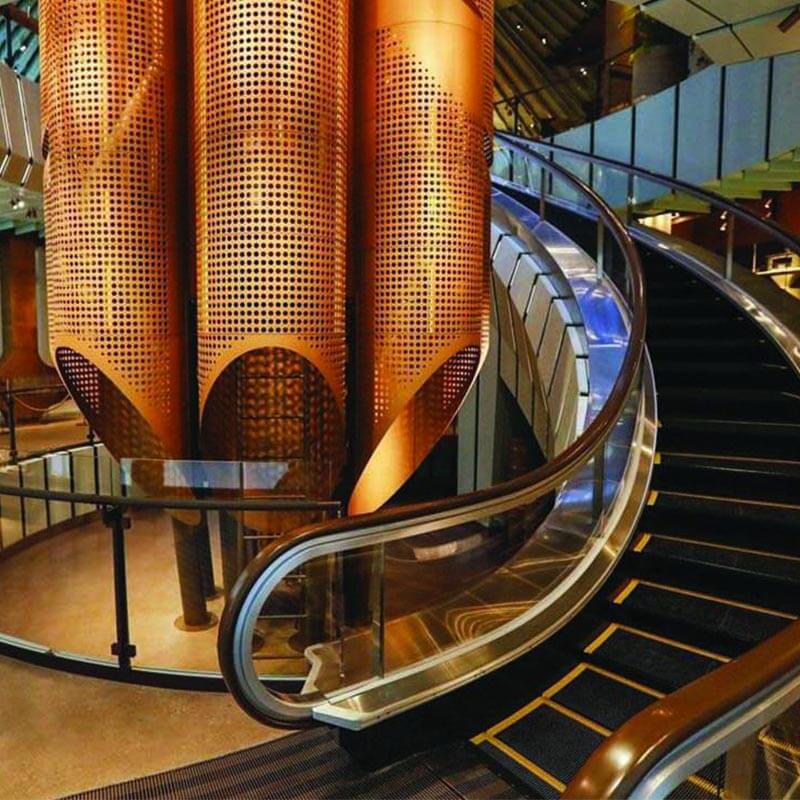
Base plate or attachment detail with readable notes

Common handrail and guardrail drawing gaps

  • Attachment intent coordinated to the actual base condition
  • Layout clear enough for field placement and approval
  • Component information and part numbers reflected in the set

What MP Drafting Brings to the Project

MP Drafting is built for customers who need the job done right and do not have time to babysit the drafter.

Coordinated layout

Plans, elevations, and details organized together so the set makes sense to everyone downstream -- reviewers, fabricators, and installers.

Anchorage clarity

Attachment and base conditions shown clearly enough to support review and reduce the field questions that come from vague intent.

Controlled revisions

Structured tracking from kickoff through submittal so changes stay organized as the job moves through review cycles.

A kickoff process that surfaces issues early

New clients often hesitate because switching drafting providers feels risky. The way MP reduces that hesitation is through structure. We use a kickoff process to gather job-specific information early. We review the package up front to identify what is missing or what could hold up production. That early preview helps get the back and forth out of the way before it starts causing delays later.

Communication that stays accessible

Our standard is a more complete and coordinated set that supports submittals, handoff, and field use. That means readable sheets, organized details, complete dimensioning where needed, and communication that stays accessible when questions come up. For handrail and guardrail work, that matters -- these scopes often depend on clean interpretation of base conditions, attachment intent, and system-specific inputs.

What the Drawings Need to Clarify

A strong handrail and guardrail set needs to do more than show where the rail goes. It needs to clarify how the system is intended to be understood by the architect, fabricator, installer, and PM reviewing it later.

That usually means clear plans and elevations, complete dimensions, detail references, notes that explain missing or estimated information, and attachment details that reflect actual surrounding conditions shown in the architectural documents. Where the scope depends on manufacturer, supplier, or component-specific information, those selections need to be reflected clearly rather than left to assumption.

This is also where detail quality matters. If the anchorage intent is vague, if the base condition is not coordinated properly, or if the surrounding construction is not shown clearly enough, the drawing set starts generating preventable questions. Good rail drawings reduce that by making the intent easier to review and easier to execute.

  • Layout, rail extents, and transitions coordinated with the surrounding structure
  • Base conditions and attachment intent shown clearly, not implied
  • Missing or estimated information called out rather than assumed
  • Component selections and system-specific information reflected in the set

Downstream Support

How This Supports Fabrication and Installation

Good shop drawings make life easier because they reduce uncertainty before the work reaches the field or the shop. Fabricators prefer sets with complete, coordinated information because they generate fewer questions before fabrication begins. Installers need drawings they can trust, especially when they are using them to locate work, understand attachment intent, and confirm that what is being installed matches the approved design.

For handrail and guardrail projects, that practical value matters. If the layout is unclear, field teams slow down. If the attachment condition is not coordinated properly, the issue does not stay on paper. It shows up during installation, when changes are harder to absorb.

MP Drafting focuses on handoff quality between review, planning, and execution. The better the set is organized up front, the less confusion gets pushed downstream.

Fewer fabrication questions

Complete, coordinated information so the shop can begin work without avoidable back-and-forth calls.

Field placement confidence

Layout clarity and location references that help installers confirm positioning and attachment intent without guessing.

Cleaner ordering

Accurate component information and dimensions in the set before material is ordered reduces wrong deliveries and field surprises.

When to Bring MP In

The best time to bring MP in is before the project starts accumulating avoidable assumptions. If you already have the architectural set, scope, and rail system information ready, we can quote the right level of detail and get the process moving cleanly.

We are also a strong fit when your current drafting source is overloaded, communication has dropped off, or confidence in the existing set is low. That is a common switching trigger. Many customers come to MP because they need a drawing partner who is responsive, easy to reach, and capable of delivering a professional set without extra management overhead.

If the project is still evolving, call that out early. Some handrail and guardrail scopes move cleanly as standard submittal packages. Others need more active coordination as details are still being resolved. Either way, it is better to define that path up front than to sort it out midstream.

Flexible support based on project phase

Not every handrail and guardrail project needs the same level of output. Some jobs need a streamlined approval package. Others need MP's standard coordinated detail for submittal and field clarity. More active or evolving projects may need a design-build level of support.

  • Quick Draw for early-phase or approval-only packages
  • Typical Detail for complete, architect-ready submittal sets
  • Advanced Detailing for evolving projects that need active coordination

Compare what is included at each level before you submit a job.

Related Support and Options

When the project needs additional coordination beyond the drawing set, here is how MP can help.

FAQs

Handrail and Guardrail Shop Drawing Questions

Common questions about scope, process, and what to expect when working with MP Drafting on handrail and guardrail projects.

Can you handle handrail and guardrail jobs that are already moving fast?

Yes, when the scope and review expectations are clear up front. Share the job documents, deadline, and what is driving the date so the plan matches reality.

Can you quote different levels of detail for rail work?

Yes. Some handrail and guardrail projects only need a streamlined approval package, while others need a more complete coordinated submittal set. We can quote the level that fits the job.

Can you work from incomplete information if final rail details are not available yet?

Yes, but the level of detail should match the project phase. Some jobs are best handled as an early approval package first, then advanced once more information is locked in.

Can your drawings include attachment details?

They can, when that information is part of the required drawing scope. The goal is to show attachment and surrounding conditions clearly enough to support review and reduce downstream questions.

Do we need engineering before handrail and guardrail shop drawings?

Not as a rule. Shop drawings coordinate the project information, layout, and attachment intent. Engineering is structural validation when required. We keep those roles clearly separated.

How do you handle revisions once drafting is underway?

How do you handle revisions once drafting is underway?

What do you need from us to get started?

At minimum, architectural drawings and clear scope. Rail jobs also benefit from any system information, component selections, or part numbers you already have so the drawing set reflects the actual project.

What if our current drafting provider is not responding or is falling behind?

That is one of the most common reasons customers reach out. MP is often brought in when communication has dropped off, timelines are slipping, or confidence in the existing set is low.

View Complete FAQs More questions answered clearly.

Need a cleaner drawing package for a handrail or guardrail job?

Send your project information and we will quote the right level of detail up front. The goal is simple: give your team a coordinated set that is easier to review, easier to hand off, and easier to build from.