
Site Search

Search the full site

Popular searches

How We Work

From set to submittal, without the chaos

MP Drafting runs shop drawing work like a production system, not an art project. The goal is fewer surprises: clear inputs, tracked questions, clean revisions, and strict version control. If you are switching drafting providers or adding capacity, this page shows exactly what happens after you send a set and what you can expect at each step.

  • Clear intake so scope and price match reality
  • Early preview to catch missing info before it turns into rework
  • Controlled review cycles that move you to submittal-ready
Our Process

Inputs

Clean inputs. Clean schedule.

Most delays start before drafting begins. Missing scope, scattered pages, and unclear expectations create churn that shows up later as revisions and field questions. When you send a complete package, we quote faster, start cleaner, and stay on track.

  • Architectural drawing set in clean PDF format
  • Scope notes with bid scope or a short list of included work
  • Schedule drivers like approval deadline, release date, and install start
  • Known constraints such as tolerance issues, unusual anchoring, or delegated design requirements
If the scope is hard to explain, write it in plain language. We turn that into a controlled plan.
Request a Quote
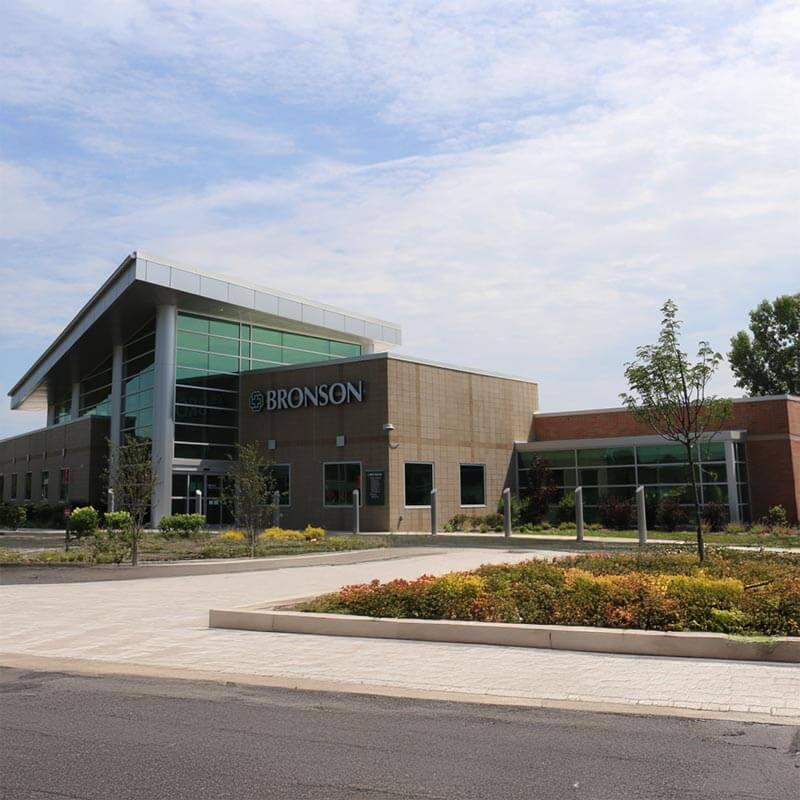
Process step image for Clean inputs. Clean schedule.

Kickoff

Preview first. Rework last.

As soon as we receive the job, we run a project preview to confirm the inputs are usable and to spot what will block progress. This is where we lock scope, confirm priorities, and set expectations so the first draft does not become an expensive round of corrections.

  • Confirm scope and level of detail before drafting begins
  • Flag missing information and conflicts in the architectural set
  • Confirm sequencing for phased areas or partial releases
  • Establish one point of contact and a clear path for approvals
Align your internal team on what "complete" means before we start.
Level of Detail Options
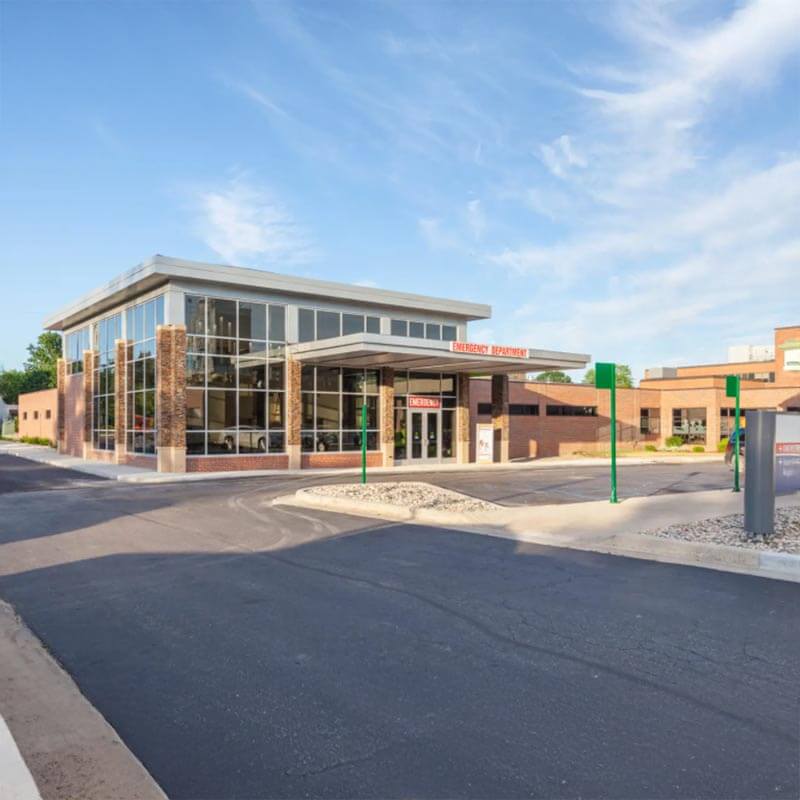
Process step image for Preview first. Rework last.

Drafting

Drafted for field-ready execution.

We draft shop drawings to reduce installer guesswork and prevent avoidable RFIs. That means coordinating surrounding conditions, clarifying intent where it matters, and organizing sheets for review. During production, questions are tracked and answered against the current version so decisions do not get lost.

  • Build around install reality, not generic details
  • Surface inconsistencies early, not during review
  • Keep questions consolidated so answers stay consistent
Validate the standards before you commit the schedule.
View Sample Drawings
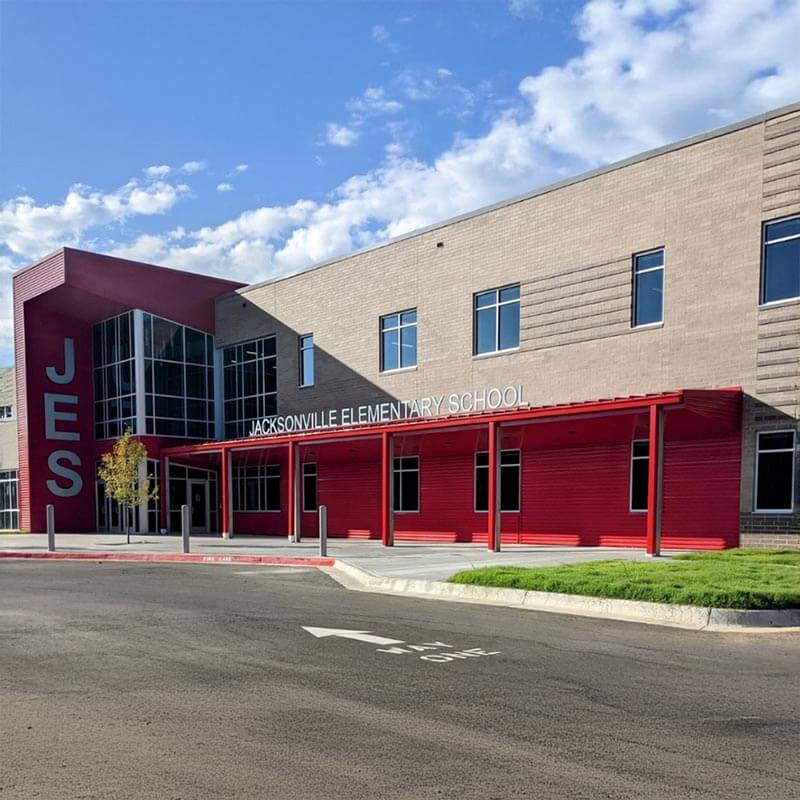
Process step image for Drafted for field-ready execution.

Revisions

Revision cycles that actually move forward.

You review the draft and return comments. We revise in controlled cycles so the set moves from first issue to submittal-ready without backtracking. If timing is tight, say it early. We can plan for aggressive deadlines when markups are consolidated and scope stays clean.

  • Consolidate markups, questions, and preferences into one review package
  • Return clean updates for review instead of layered confusion
  • Separate baseline corrections from add-on scope when needed
  • Call out AE review cycles or delegated design comments early
Tell us the review cadence you expect and whether AE redlines are part of your normal flow.
Request a Quote
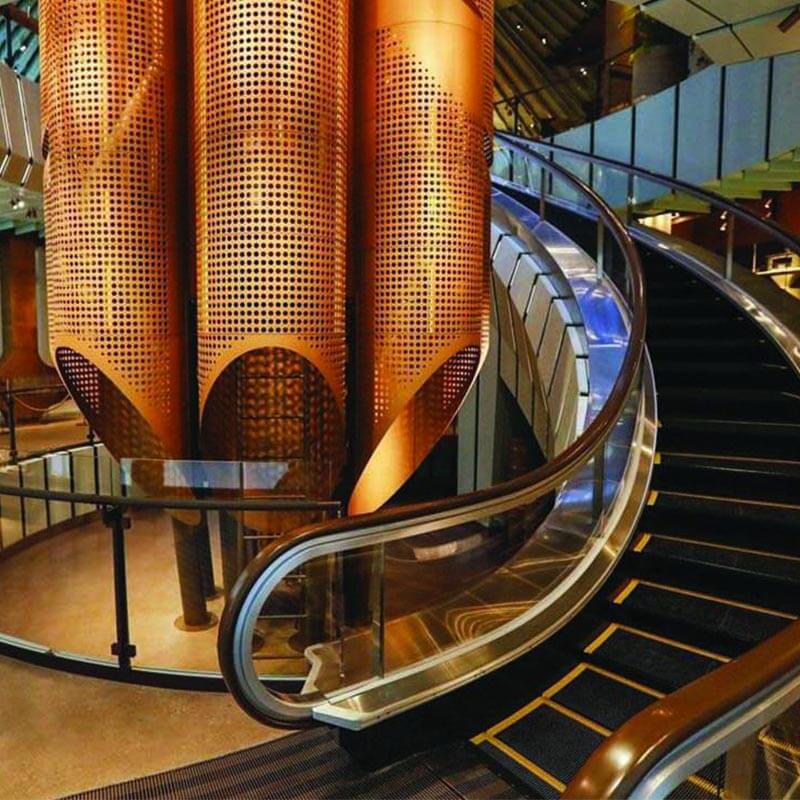
Process step image for Revision cycles that actually move forward.

Field Verification

Built for real-world dimensions.

Not every job starts with final field dimensions. Many teams use first-round shops to verify conditions, then update finals before fabrication release. We structure that handoff so dimension updates stay controlled and the set stays coherent.

  • Identify which assumed versus verified dimensions drive the release
  • Mark which dimensions must be confirmed before fabrication
  • Set a clean handoff point for final dimension updates
Existing conditions jobs work best when field verification responsibilities are defined up front.
Contact Us
Process step image for Built for real-world dimensions.

Engineering

Drafting coordinates. Engineering validates.

When delegated design, anchors, or stamped calculations are required, engineering is the structural validation layer. MP Drafting stays focused on planning and coordination. We keep responsibilities clear so the package stays reviewable and the project stays decision-driven, not handoff-driven.

  • Drafting remains planning and coordination
  • Engineering remains structural validation when required
  • One clear channel for questions and decisions, not scattered handoffs
Use this step when the project includes delegated design or structural review requirements.
Engineering and Technical Support
Process step image for Drafting coordinates. Engineering validates.

Delivery

Deliverables you can trust.

Delivery is not just sending files. The goal is a clean, reviewable set that supports approval and reduces field questions. Before anything goes out, it runs through an internal quality check to catch avoidable issues and keep revision history clear.

  • Submittal-ready drawing set organized for review
  • Clear revision control so teams know what changed
  • Closeout handoff that supports fabrication release and field use
Look at sheet organization and clarity, not just the details.
View Sample Drawings
Process step image for Deliverables you can trust.

FAQs

The questions that matter before you start

These are the process questions we hear most from teams evaluating a drafting partner or trying to protect schedule.

Can you work around tight deadlines?

Many times, yes. The constraint is usually input quality and scope clarity. If you need “revisions by tomorrow,” it only works when comments are consolidated and the drawings are solid.

Do you need final field dimensions before you start?

Not always. Many customers use first-round shops for field verification and then provide final dimensions. We structure that workflow so assumptions, verification points, and final release steps are clear.

Do you provide engineering?

Engineering is structural validation and is coordinated when required. MP Drafting does not replace a PE, and drafting remains planning and coordination.

How do you handle A/E redlines?

We plan for them. If you expect architectural review cycles, say so up front. “Include changes for the A/E redlines” is a normal expectation to clarify early.

What do you need from me to quote accurately?

A clean architectural set plus scope notes. If the scope is unclear, the quote will be unclear.

Who do I work with during intake and scheduling?

Several people may be involved on the MP side, depending on the job and its stage. Jessica helps get the project started and keeps job tracking organized. Andrew supports scheduling and day-to-day operations. Jason steps in when engineering input is needed. Bob may be involved in customer communication, and Marcus supports overall oversight and quality control. This team approach helps keep the process moving and communication clear.

View Complete FAQs More questions answered clearly.

Start clean. Stay on schedule.

If your drafting resource is overloaded or the job is schedule-driven, the fastest path is a complete intake and a clear definition of "ready." Send the set, send the scope, and tell us the deadline that drives decisions. We will build a controlled plan to reach submittal-ready delivery.