

Site Search

Search the full site

Popular searches

Shop Drawing Services

Engineering Technical Support for Commercial Glazing Projects

MP Drafting helps glazing contractors coordinate shop drawings and engineering support without blurring responsibilities. Drafting stays focused on planning, layout, conditions, fasteners, and submittal clarity. Engineering stays focused on structural validation when the project requires it.

  • Clear separation between drafting coordination and engineering responsibility
  • Cleaner handoff for delegated design, anchor review, and structural requirements
  • One organized path for questions, revisions, and project information
Engineering & Technical Support

Engineering support can help validate a glazing system, but it does not replace the work of coordinating the drawing package

That is where many projects start to break down. Teams assume the engineer will solve everything, when the real job still depends on clear shop drawings, complete project information, accurate conditions, and a controlled review path.

MP Drafting approaches this scope as precision planning. We coordinate the drawing side of the project so the package is easier to review, easier to revise, and easier to hand off when engineering is part of the process. That includes surfacing inconsistencies early, organizing project inputs, and reducing the kind of confusion that turns into field questions later.

For experienced glazing PMs, this page matters because the risk is rarely just structural review. The risk is losing time while drafting, engineering, and project communication get split into separate channels. If you need the job done right and do not have time to manage that coordination yourself, this service is built for that situation.

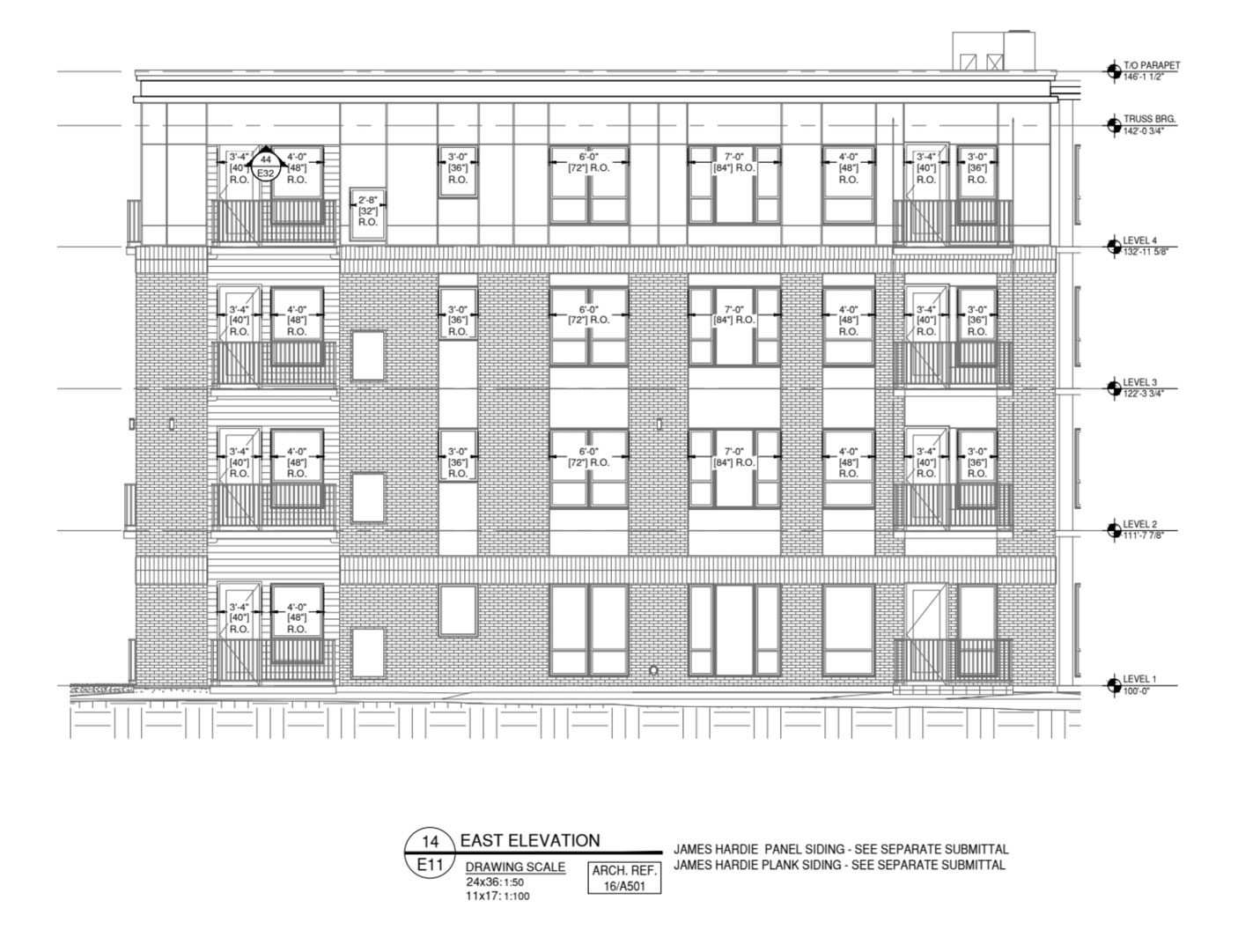
Technical detail sheet, anchor condition, or engineering coordination detail

Planning is primary. Engineering is structural validation.

  • Drafting Planning, layout, conditions, fasteners, submittal clarity
  • Engineering Structural validation, load calculations, PE stamp

What We Handle

MP Drafting supports commercial glazing projects where shop drawings need to be coordinated alongside engineering or technical review requirements.

That can include projects with delegated design, anchor review, stamped calculations, structural questions, or systems that need engineering support before final approval. Our role is not to replace the engineer. Our role is to organize the drawing package so the engineering path is clearer and the overall project is easier to manage.

In practical terms, that means building shop drawings that reflect the actual job conditions, identifying what needs clarification, and preparing a package that supports cleaner communication between the glazing contractor, the engineer, and the rest of the review chain. We also support projects where the customer needs engineering coordination as part of one quoting and management path rather than chasing multiple vendors separately.

Delegated design coordination

Drawing package organized so delegated design requirements are clearly communicated and the review path stays coherent.

Anchor review support

Fastener conditions coordinated in the drawings so anchor review has a clear, accurate package to work from.

One coordinated path

Engineering coordination managed alongside drafting so the glazing PM is not chasing multiple separate channels during submittal.

Architectural inconsistency handling

Conflicts and unclear conditions surfaced early so they are resolved through RFI or clarification before they reach fabrication or the field.

What Usually Goes Wrong

This type of project usually goes wrong when drafting and engineering get treated like the same thing. They are not. Engineering validates structural performance. Shop drawings coordinate reality. When that line gets blurred, the project starts carrying assumptions instead of decisions.

That is when teams run into missing information, unclear responsibilities, and revision churn. Architectural inconsistencies stay unresolved. Fastener intent is not coordinated tightly enough to the actual condition. Structural questions surface late. Review comments start stacking on top of a weak baseline. The PM ends up spending time coordinating emails, calls, markups, and clarifications that should have been organized from the start.

Another common problem is fragmented handoff. One party is waiting on another. Questions get answered in separate threads. Nobody is fully working from the same version. The result is usually not one major disaster. It is a slow buildup of delays, duplicate effort, and preventable confusion.

Fastener callout, surrounding condition, and note clarity example

Common coordination breakdown points

  • Drafting and engineering roles blur, creating assumption gaps
  • Fastener intent left vague and not tied to actual conditions
  • Fragmented handoff with questions answered in separate threads

What MP Drafting Brings to the Project

MP Drafting brings structure to the part of the job that often gets underestimated: the coordination layer that makes engineering support actually work.

Complete dimensioning

Thorough dimensions and accurate surrounding conditions so the engineering package has a clear, well-coordinated drawing set to work from.

Cleaner engineering coordination

Drafting and engineering kept on separate, clearly defined tracks so the review path stays organized without the PM managing it manually.

Responsive communication

Accessible throughout production so questions get answered quickly and do not become delays in the engineering coordination path.

A kickoff process that organizes project information early

MP uses a kickoff form to capture project-specific information early, then runs a preview to identify missing items or issues that could hold up progress. That early pass helps get the back and forth out of the way before it starts costing time later. For projects where engineering is part of the scope, that early clarity matters even more.

Trust built through completeness and accessibility

Customers come to MP when their current provider is overloaded, communication has dropped off, or they are tired of having to babysit the process. What builds trust is not flashy language. It is completeness, professional appearance, responsiveness, and being easy to reach when questions come up. That is especially important on projects where engineering support is involved, because handoff quality matters as much as the calculations themselves.

What the Drawings Need to Clarify

When engineering or technical support is part of the project, the drawing set still needs to do the heavy coordination work. It needs to show the actual system intent, surrounding conditions, attachment logic, layout references, and notes that make the package understandable to reviewers and field users. If that information is vague, engineering review becomes harder, not easier.

Fasteners are a major example. Good shop drawings do not leave fastener intent floating in the abstract. They connect it to actual conditions, edge distance concerns, and the way the system is meant to be installed. If building structure appears inadequate or questionable, that needs to be surfaced during the drawing phase so the team can address it before the field is forced to improvise.

Architectural inconsistencies also need to be handled. If floor plans and elevations conflict, or if opening conditions do not align with the specified system, those issues need to be identified and clarified through notes or early RFI direction so the package is built on confirmed information instead of assumptions.

  • Fastener intent connected to actual conditions and edge distance concerns
  • Surrounding conditions shown clearly so engineering review has accurate inputs
  • Architectural inconsistencies flagged early rather than buried in assumptions
  • Notes and RFI direction used to distinguish confirmed from still-open items

Downstream Support

How This Supports Fabrication and Installation

Better coordination upstream protects the people downstream. Fabricators prefer drawing packages with complete dimensioning because they generate fewer questions before fabrication begins. Installers need layouts, notes, and details they can trust, especially when the project includes structural requirements or conditions that leave little room for guesswork.

On engineering-involved projects, that practical value becomes even more important. If drafting does not clearly communicate the system layout, attachment conditions, or decision points, the project slows down before fabrication and again during installation. Questions multiply. Revisions become harder to control. The field ends up carrying uncertainty that should have been resolved on paper.

MP Drafting focuses on handoff quality. The goal is a package that helps your team move from submittal to fabrication to installation with fewer loose ends. Engineering support adds validation when needed, but the drawing package still has to carry the coordination load.

Fewer pre-fabrication questions

Complete dimensioning and coordinated conditions so fabricators can begin work without avoidable back-and-forth before the shop starts.

Field confidence in the package

Installers inherit a coordinated set that reflects actual conditions rather than assumptions that looked reasonable on paper but break down on site.

Cleaner engineering handoff

A well-coordinated drawing package makes engineering review more efficient and reduces the back-and-forth that comes from vague or incomplete inputs.

When to Bring MP In

The best time to bring MP in is early enough that the project can still be organized before assumptions harden into problems. If you already know engineering may be required, or if the project includes delegated design, anchor questions, or structural review requirements, calling that out early leads to a cleaner quote and a cleaner workflow.

This is also a strong fit when your current drafting source is backed up, not communicating clearly, or not giving you confidence in the quality of the set. Those are common switching triggers. Many PMs are not looking for a new partner because they want to experiment. They are looking because they need a job handled professionally and do not have time to manage a weak process.

If the project will use first-round shops for field verification before final dimensions are locked, that should be identified at the start. We can structure the workflow around that so updates stay controlled and the drawing set stays coherent as the project moves forward.

Matching detail to phase

Not every project that touches engineering needs the same level of drafting support. Some jobs need a faster approval-oriented package. Others need MP's more complete coordinated detail for standard submittals. More complex projects may need active coordination during design development before the package reaches final engineering review.

  • Quick Draw for early-stage or budget-sensitive phases
  • Typical Detail for complete and coordinated standard submittals
  • Design Build support for projects still evolving through active coordination

Compare what is included at each level before you submit a job.

Related Support and Options

When the project needs additional coordination beyond the engineering path, here is how MP can help.

FAQs

Engineering and Technical Support Questions

Common questions about coordinating shop drawings and engineering support on commercial glazing projects.

Are A/E redlines included?

Revision expectations should be discussed up front. If A/E redlines are part of the normal review path, that should be called out during quoting and kickoff so the scope matches the job.

Can MP coordinate engineering for us?

Yes. MP can coordinate engineering services when needed and keep that process organized for the glazing contractor. The goal is a cleaner path, not more handoffs to manage.

Can you help if our current drafting provider has gone quiet or is slipping?

Yes. That is a common reason customers reach out. Projects are often moved to MP when timelines are slipping, communication has dropped off, or confidence in the existing set is low.

Can your drawings support field verification before final dimensions are locked?

Yes. Many customers use first-round shop drawings for field verification and then issue final dimensions afterward. When that is the plan, it should be identified early so the workflow is structured correctly.

Do I need engineering before shop drawings?

Not as a rule. Engineering is structural validation. Shop drawings coordinate reality, integrate inconsistencies, clarify fasteners, and provide installer layout clarity. When engineering is required, the roles should stay clearly separated.

Does that mean MP replaces the engineer?

No. MP Drafting is not a substitute for a licensed professional engineer. Drafting handles planning and coordination. Engineering handles structural validation when required.

How do you keep coordination from getting messy once drafting is underway?

MP uses a kickoff form, a project preview, and controlled revision handling to keep questions organized early. During production, questions are handled through one coordinated path so decisions do not get lost.

What do you need from us to quote this type of project accurately?

At minimum, architectural drawings and clear scope. A highlighted set, quote scope, specifications, and any special requests on how details should be shown all help align the first round correctly.

View Complete FAQs More questions answered clearly.

Need a cleaner coordination path for shop drawings and engineering support?

Send your project information and scope, and MP will help you quote the right level of detail up front. The goal is to give your team a coordinated package that is easier to review, easier to revise, and easier to move toward approval when engineering is required.