

Site Search

Search the full site

Popular searches

Shop Drawing Services

BIM and 3D Services for Commercial Glazing Projects

MP Drafting provides BIM and 3D services for glazing contractors who need cleaner coordination, clearer handoff, and model deliverables that support submittals, design collaboration, and downstream project use without turning the job into a software exercise.

  • Revit and 3D modeling for glazing systems with practical project coordination in mind
  • Coordination with BIM project models and clash detection support where required
  • Structured kickoff, upfront preview, and controlled revisions that reduce avoidable churn
BIM & 3D Services

BIM and 3D services can help a glazing project move more cleanly, but only when the model is tied to actual coordination

For experienced PMs, the problem is rarely getting a model made. The problem is getting glazing information represented clearly enough that the model supports review, handoff, and decision-making instead of creating another layer of confusion.

That is where MP Drafting fits. We approach BIM and 3D work as part of precision planning. The goal is not to impress a team with software language. The goal is to help clarify scope, coordinate with the project model, surface conflicts earlier, and support a smoother path into shop drawings, engineering coordination when required, fabrication planning, and installation use.

For commercial glazing teams, that matters most on projects where multiple trades are interacting, design information is still evolving, or the project team expects model-based coordination. In those cases, a cleaner model and a cleaner drafting path usually go together.
BIM and 3D Services

What We Handle

MP Drafting supports BIM and 3D services for glazing scopes that need model-based coordination in addition to traditional drafting clarity.

This includes Revit and 3D modeling for glazing systems, coordination with project BIM models, clash detection support, and deliverables aligned with project level of development requirements.

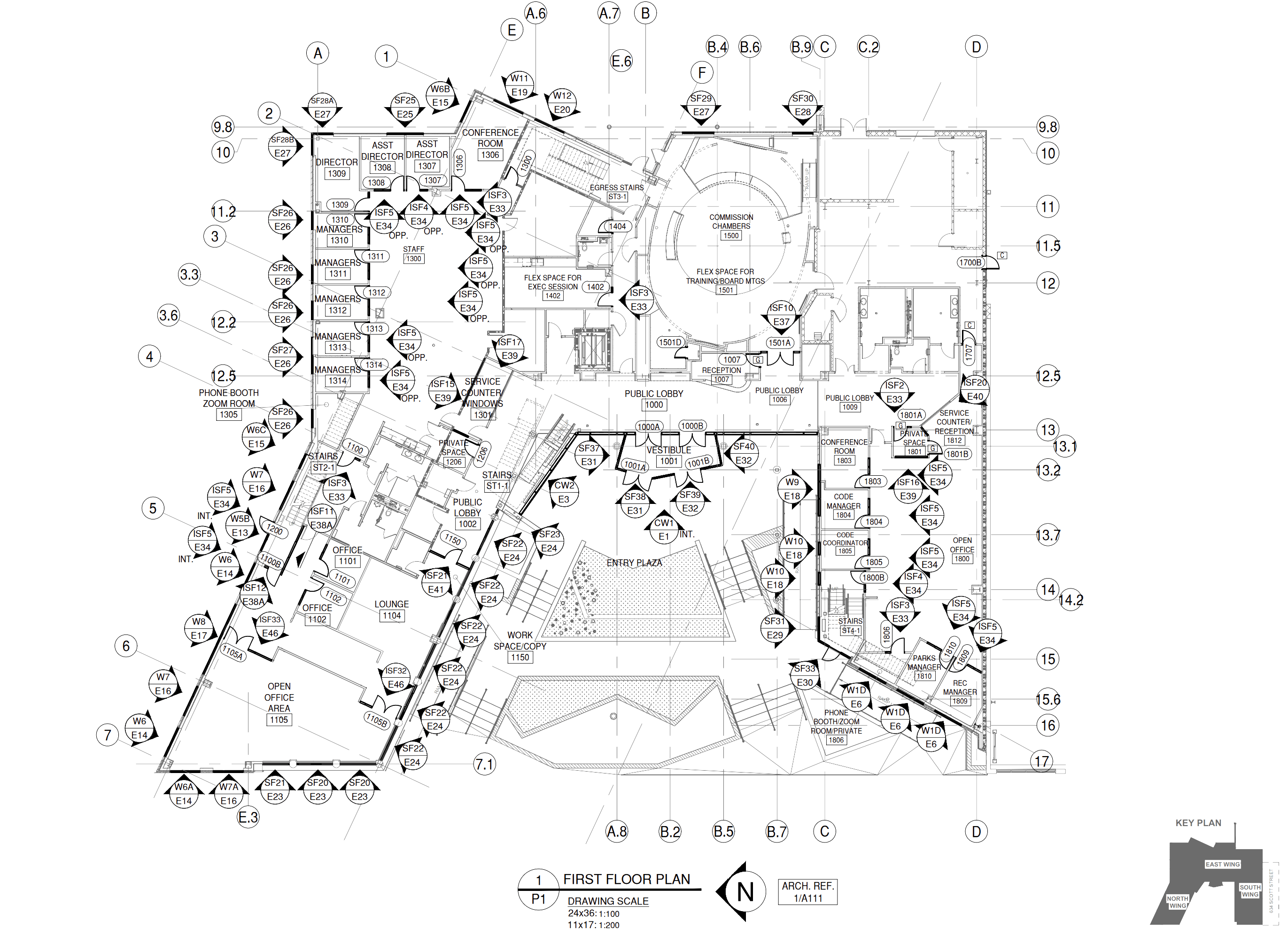
In practical terms, this service is a fit when the glazing scope needs to be represented inside a larger coordinated model environment, when the design team expects model participation, or when the job benefits from clearer three-dimensional review before problems reach the field. Some projects need a model to help align geometry and scope during active coordination. Others need it because the project standard requires BIM-based deliverables. In both cases, the value is the same. The model needs to help the project move forward, not become a disconnected side task.

Revit and 3D glazing modeling

Glazing systems modeled in Revit or 3D with practical project coordination in mind, not just geometry for geometry's sake.

BIM project model coordination

Glazing scope aligned with the broader project model environment where model participation is required.

Clash detection support

Coordination conflicts surfaced earlier through clash review support so issues are caught before they reach the field.

LOD-aware deliverables

Model deliverables aligned with project level of development requirements so the output actually matches what the team needs.

What Usually Goes Wrong

BIM and 3D services start causing problems when the modeling effort gets separated from actual glazing coordination. A model may look complete while key job decisions are still unresolved. Important surrounding conditions may stay vague. Scope assumptions can get buried inside the model instead of being clarified. Teams begin trusting geometry that has not been coordinated tightly enough for downstream use.

That is where schedule pressure usually gets worse. Review comments multiply. Coordination meetings create more questions instead of fewer. One team thinks the model answers something that another team still considers unresolved. Then the glazing PM is left managing model issues, drawing issues, and communication issues at the same time.

The frustration is familiar. You do not need one more deliverable to babysit. You need model work that supports real project use, stays tied to the drawing package, and helps reduce the back and forth that slows projects down.

BIM or 3D model preview with glazing system in project context

Common BIM coordination problems

  • Model looks complete but scope assumptions are still unresolved
  • Model and drawing package drift out of alignment through revisions
  • Conflicts not surfaced until they reach the field or fabrication

What MP Drafting Brings to the Project

MP Drafting brings a coordination-first mindset to BIM and 3D work. We are not approaching the service as isolated modeling. We are approaching it as glazing planning that happens in a model environment.

Responsive communication

Accessible throughout coordination so questions about model scope, conflicts, and revisions get answered quickly without adding management overhead.

Coordinated deliverables

Model and drawing package kept aligned so the two do not drift apart through revisions and design changes.

Controlled revisions

Structured revision handling so model updates stay organized and the coordination path remains clear as the project evolves.

A kickoff and preview that surface missing information early

We use a kickoff process to capture job-specific information early, then perform an upfront preview to identify missing items or issues that could hold up progress later. That structure helps get avoidable back and forth out of the way early rather than letting it disrupt coordination after the model is already underway.

Glazing expertise, not just modeling capability

That distinction matters because commercial glazing scopes are rarely simple once adjacent systems, supports, attachment conditions, and review expectations enter the picture. For PMs switching from another provider, this also reduces hesitation. The goal is a partner who understands the glazing scope, communicates clearly, and does not need extra management overhead to keep the job moving.

What the Drawings Still Need to Clarify

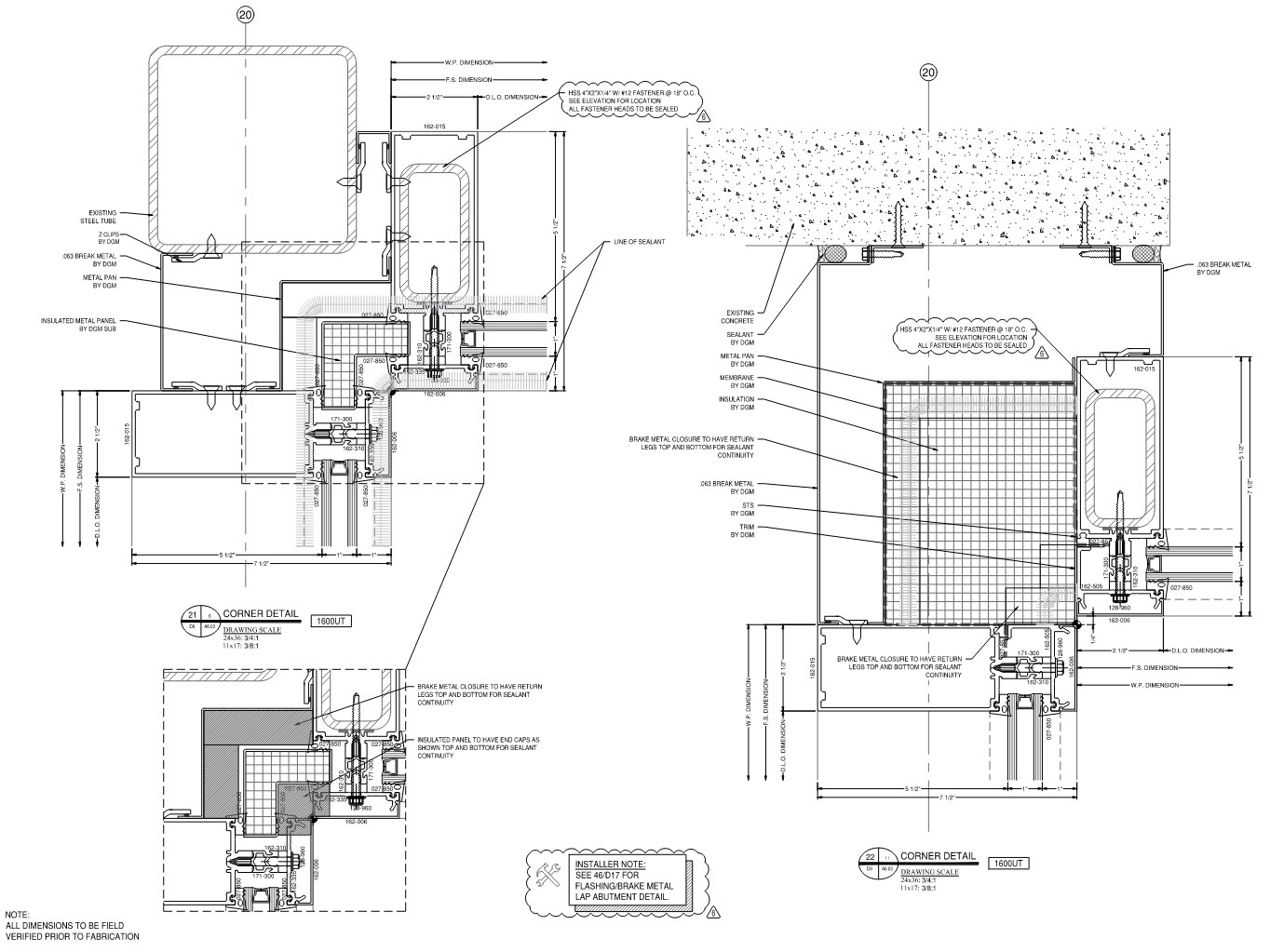
Even on a model-driven project, the drawing package still has to do the real coordination work. BIM and 3D services should support that outcome, not replace it. The drawings still need to clarify layout intent, surrounding conditions, dimensional logic, notes, revision changes, and coordination items the field, fabricator, reviewer, and PM will all rely on later.

For glazing work, that often means making sure modeled information and drawing information stay aligned around openings, frame locations, interfaces with adjacent construction, attachment intent, and any conditions that need clarification from the architect or design team. If the project model reveals conflicts, those issues need to feed back into the coordinated package in a controlled way.

Where engineering is required, the roles remain separate. Drafting and BIM coordination help organize and integrate project information. Engineering handles structural validation. When both are needed, MP helps keep that coordination path clear without blurring responsibility.

  • Modeled and drawn information kept aligned through revisions
  • Conflicts from clash review fed back into the coordinated package
  • Missing or evolving information flagged through notes and revision control
  • Engineering roles kept clearly separated from drafting and BIM coordination

Downstream Support

How This Supports Fabrication and Installation

Good BIM and 3D work improves downstream decisions because it gives the team another way to verify fit, relationships, and coordination before fabrication or installation issues start compounding. On the right projects, that can help reduce uncertainty around system interfaces, space claims, and coordination with neighboring trades.

That does not mean the model replaces field-ready documentation. Fabricators and installers still need clear, coordinated information they can trust. What BIM and 3D services should do is support a better handoff into that stage. When the modeling and drafting stay aligned, there is less room for avoidable interpretation, fewer surprises tied to coordination gaps, and a cleaner review path as the project moves forward.

For PMs, that usually means fewer questions being pushed downstream. The better the project is clarified early, the less time gets lost later cleaning up what should have been surfaced sooner.

Earlier conflict detection

Coordination issues surfaced in the model before they reach fabrication or the field, where changes are harder and more expensive to absorb.

Cleaner fabrication handoff

When model and drawing package stay aligned, fabricators inherit a more reliable baseline with fewer unresolved scope questions.

Reduced downstream confusion

Better early coordination means fewer questions pushed downstream to installation teams and fewer surprises during field placement.

When to Bring MP In

The best time to bring MP in for BIM and 3D services is when the project team already knows model-based coordination will matter. That may be early in design collaboration, during Advanced Detailing Drafting development, or once it is clear that the glazing scope needs to align with an active BIM workflow.

It is also a strong fit when the current drafting or modeling resource is overloaded, communication has started dropping off, or confidence in the existing coordination is low. Those are common switching triggers for MP in general. Customers usually are not looking for flashy output. They are looking for a dependable partner who can help get the job back under control.

If the project has specific BIM standards, model exchange expectations, or level of development requirements, call that out early. The clearer those expectations are up front, the cleaner the service can be scoped and the smoother the coordination path will be.

How BIM and 3D fits with other MP services

Some BIM and 3D projects are closely tied to Advanced Detailing Drafting work, while others are an extension of standard submittal coordination. The right level of support depends on what phase the project is in and what the team actually needs from the deliverable.

  • Advanced Detailing Drafting when design is still active alongside model coordination
  • Typical Detail submittal set when design has settled and model alignment is needed
  • Engineering coordination available as a separate coordinated path when required

Compare what is included at each level before you submit a job.

Related Support and Options

When the project needs additional coordination beyond the model, here is how MP can help.

FAQs

BIM and 3D Services Questions

Common questions about scope, process, and what to expect when working with MP Drafting on BIM and 3D glazing coordination.

Are BIM services a replacement for shop drawings?

No. The model supports coordination, but the drawing package still needs to clarify layout, notes, conditions, revisions, and handoff information for real project use.

Can you coordinate with the project BIM model?

Yes. MP supports coordination with BIM project models where the glazing scope needs to align with the broader project model environment.

Do we need engineering before BIM or 3D modeling starts?

Not as a rule. Drafting and BIM coordination organize and integrate project information. Engineering is structural validation when required. We keep those roles clearly separated.

Do you handle clash detection?

MP supports clash detection coordination as part of BIM and 3D services where that is part of the project need. The goal is to surface coordination issues earlier, not later.

Do you provide Revit models for glazing projects?

Yes. MP supports Revit and 3D modeling for glazing systems when the project requires model-based coordination.

Is this service mainly for design-build projects?

Not only. It is a strong fit for design-build work, but it also applies to projects that require BIM coordination, clash review support, or LOD-aware model deliverables.

What do you need from us to get started?

Architectural drawings, scope information, and any project-specific BIM expectations are the main starting points. MP also uses a kickoff process and upfront preview to catch missing information early.

What if our current provider is behind or not communicating well?

That is a common reason customers reach out. MP is often brought in when timelines are slipping, communication has dropped off, or confidence in the existing work is low.

View Complete FAQs More questions answered clearly.

Need BIM and 3D support that actually helps the glazing scope move forward?

Send your project information, model expectations, and drawings. MP Drafting will help scope the right level of BIM and 3D support so the work stays tied to real coordination, cleaner handoff, and a more controlled path to submittal.