

Site Search

Search the full site

Popular searches

Shop Drawing Services

Storefront Shop Drawings That Clarify the Job Before It Gets Expensive

MP Drafting produces coordinated storefront drawing sets that help glazing contractors avoid preventable confusion before material is ordered, frames are fabricated, or crews are on site. This is precision planning for storefront projects that need to move cleanly from review to installation.

  • Clear dimensions, IN/OUT setbacks, and layout references
  • Fastener callouts matched to actual surrounding conditions
  • Structured review process with kickoff, preview, revisions, and version control
Storefront

Storefront Scope

Storefront work looks straightforward until the details start stacking up

Entrances, sidelites, transoms, anchors, substrate conditions, hardware coordination, sealant conditions, and layout references all have to line up. When they do not, the problems usually show up later as mis-orders, fabrication questions, field delays, or approval comments that push the job sideways.

That is why storefront shop drawings are not just a drafting task. They are a planning task. MP Drafting approaches storefront work as coordination, not linework. We build drawing sets that help project managers, fabricators, architects, and field crews work from the same reality.

For experienced glazing PMs, the value is simple. You need the set done right, and you do not have time to babysit the drafter. MP is built for that expectation.

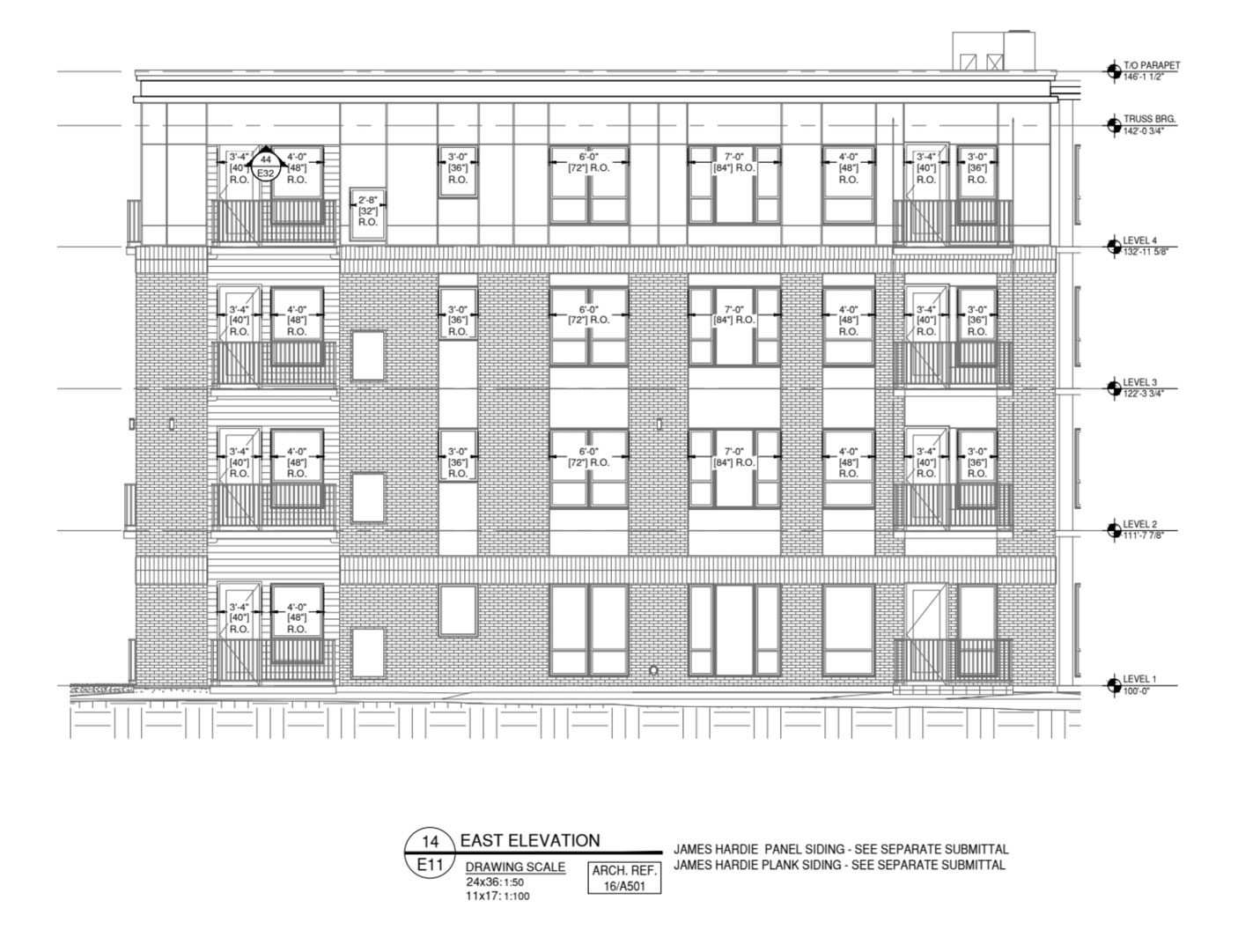
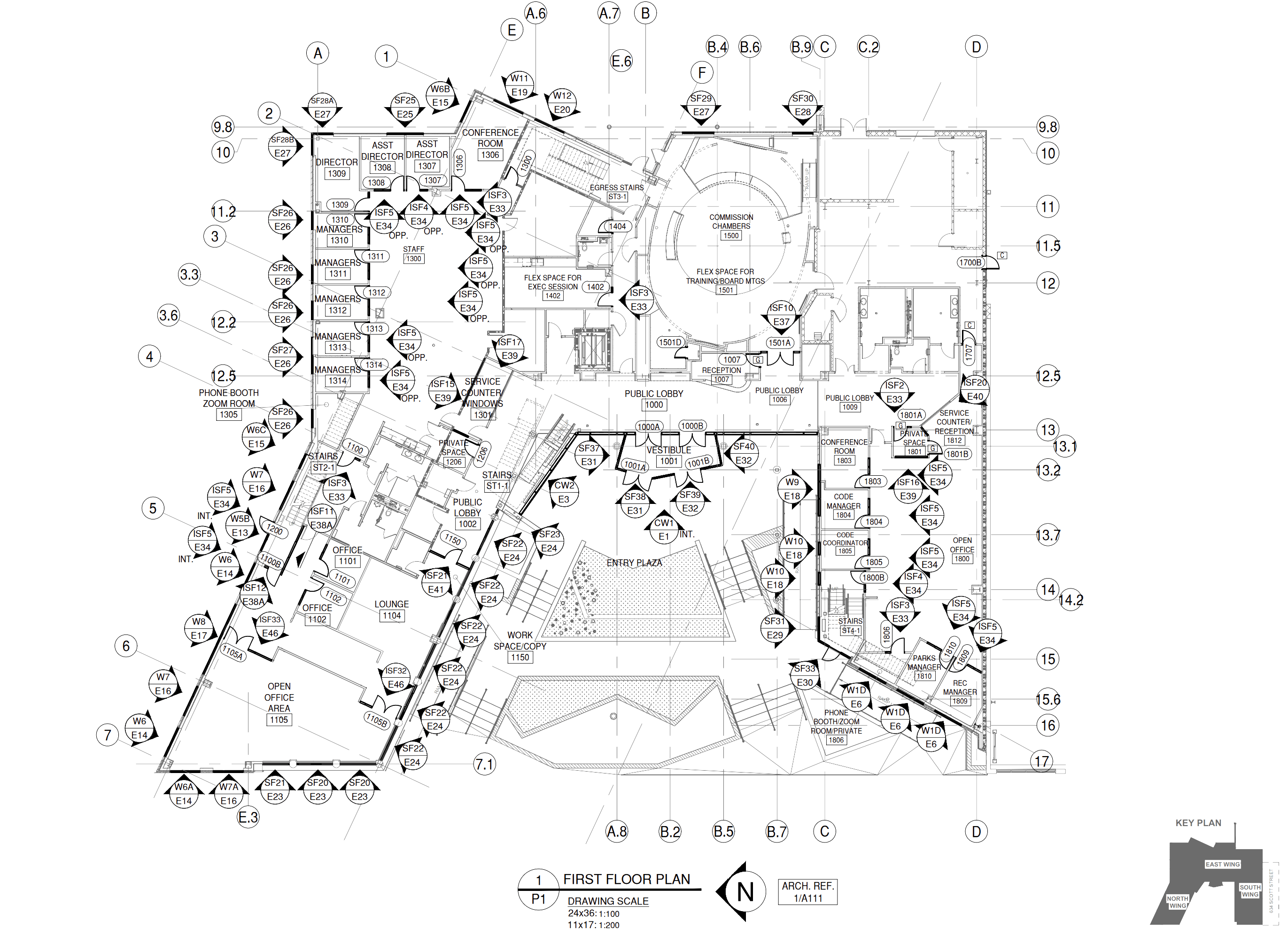
Storefront elevation with entrance, sidelite, and transom

What We Handle

MP Drafting supports commercial storefront shop drawing packages for standard and more coordination-heavy conditions.

That includes storefront elevations, plans, typical details, enlarged details, frame and opening references, entrance conditions, sidelite framing, transoms, and the surrounding conditions that affect how the system is actually installed.

Storefront jobs often carry more variation than they first appear to. A simple run of framing can include multiple anchor conditions, slab edge concerns, hardware coordination, sealant transitions, and field placement questions that need to be resolved before the job can move cleanly. Our role is to organize those realities into a drawing set that makes the work easier to review, fabricate, and install.

We also support different project phases through MP's level-of-detail options. Some storefront jobs need a streamlined approval package. Others need a more complete, architect-ready set with correct fasteners, accurate surrounding conditions, and field-useful layout information. The service is flexible, but the goal stays the same: clear planning that fits the job.

Elevations, plans, and details

Coordinated storefront elevations, plans, and typical details in one organized package.

Entrance and sidelite conditions

Entrance framing, sidelites, transoms, and hardware-related coordination included where required.

Head, jamb, and sill details

Enlarged details with surrounding conditions, notes, and sealant callouts that support review and field use.

Fastener and anchorage coordination

Fasteners selected to match actual substrate conditions, not left vague or generic.

What Usually Goes Wrong

Most storefront problems do not start in the field. They start earlier, when the drawings leave too much open to interpretation.

The most common failures are not dramatic. Quantities are off. Frame sizes are wrong. Joint sizes are not accounted for. Door openings look correct on one sheet and do not work when you compare them to another. Fasteners are vague or shown in the wrong location. The opening dimension on the floor plan does not match the elevation.

By the time someone catches it, material has already been ordered, fabrication is already moving, or the installer is standing there trying to make sense of a condition that should have been settled weeks ago.

Storefront jobs are especially vulnerable to these issues because they are often treated like basic scope. In reality, they still need complete dimensioning, placement clarity, accurate notes, and coordinated details. When the drawings are too generic, the PM gets more questions, the fabricator has to stop and ask for clarification, and the field crew loses confidence in the set they are supposed to install from.

Common storefront drawing gaps

  • Frame sizes and quantities that match what is being fabricated
  • Fasteners matched to the actual substrate condition
  • Floor plan and elevation dimensions that reconcile cleanly

What MP Drafting Brings to the Project

MP Drafting is not positioned as a commodity drafting vendor. We work as a structured drafting partner focused on coordination quality.

Professional appearance

Organized, architect-ready presentation that holds up through review without extra formatting work from your team.

Complete dimensioning

Layout dimensions, setbacks, and opening references that reduce fabrication questions and field guesswork.

Fewer pre-fabrication questions

A controlled set that helps fabricators and installers start with answers instead of assumptions.

Intake and kickoff that front-load the hard questions

We ask for the architectural drawings, specifications, and clear scope information up front. The kickoff form captures project-specific preferences so we are not guessing what your team wants. Then we run a preview step early in the job to identify missing information, potential hold-ups, and questions before they become schedule problems later.

Controlled production from start to submittal

Questions are surfaced during production. Revisions are tracked. The same project discipline applies from kickoff through submittal. Customers come to MP because they want drawings that are thorough, professional in appearance, and easier to work from. They also come to us when another provider is backed up, unresponsive, or not giving them confidence that the set will be done correctly.

What the Drawings Need to Clarify

A good storefront set should remove avoidable uncertainty. It should show where the frame sits, how it attaches, what the opening is actually doing, and what the installer needs in order to place the system correctly.

That means a clear plan and elevation coordination. It means complete dimensions, including layout dimensions and setback information. It means column lines or location references where they matter. It means fasteners that are selected to match the actual surrounding condition instead of being left vague. It means notes that call out missing or estimated information so issues can be addressed before they become field surprises.

Engineers validate structural performance when engineering is required. MP coordinates the storefront reality that everyone else has to build from.

Storefront-specific coordination points

For storefront specifically, the drawings often need to clarify entrance conditions, sidelites, transoms, sill, head, and jamb details, hardware-related impacts, and attachment points at concrete or steel.

  • Architectural inconsistencies flagged so the PM can send the right RFI
  • Confirmed intent separated from estimated or still-open items
  • Hardware impacts and sealant transitions called out where they affect installation

Support Downstream

How This Supports Fabrication and Installation

Fabrication gets easier when the set answers the common questions before the material is cut. Complete dimensioning reduces ambiguity. Accurate frame sizes reduce mis-orders. Clear glass and frame references reduce the chance of the wrong material showing up in the wrong place. Organized sheets and readable notes reduce stop-and-start back and forth before fabrication can begin.

Installation benefits just as directly. Field crews need more than a general picture. They need to know where the frame goes, how far in or out it sits, what condition they are fastening to, and whether the detail shown can actually be installed in the real opening. When that information is missing, time gets lost on site and alternative solutions have to be figured out under pressure.

Storefront projects may not always carry the same visual complexity as curtain wall, but they still depend on exact coordination. When the set is clear, crews install with more confidence, PMs spend less time answering avoidable questions, and the job has a better chance of moving cleanly from submittal to closeout.

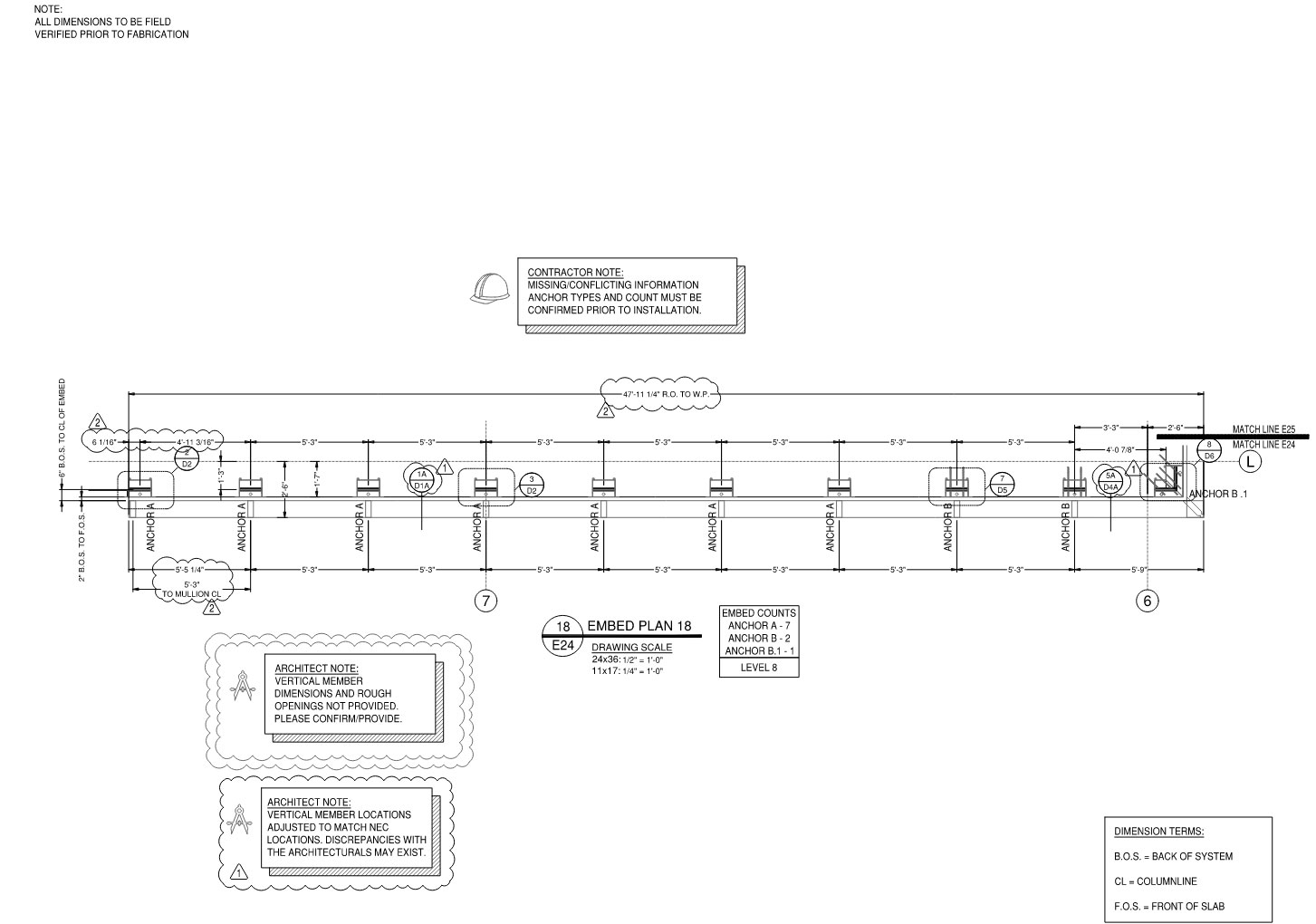
Fastener detail at concrete and steel conditions
Fabrication clarity

Accurate frame sizes and complete dimensions so material can be ordered and cut with confidence.

Field placement support

IN/OUT setbacks and layout references that help crews position the system correctly the first time.

When to Bring MP In

Bring MP in as soon as the storefront scope is defined enough to quote and start cleanly. That usually means architectural drawings, project specifications, and some form of confirmed scope such as a proposal, highlighted drawings, or clear written direction on what is included.

Early involvement matters because storefront issues are often easier to catch before ordering and fabrication decisions are locked in. If the documents conflict, if the opening does not actually support the entrance condition shown, or if the surrounding conditions are unclear, those are better conversations to have during the drawing phase than after the field crew has mobilized.

If the job is already moving and your current drafting source is delayed, unresponsive, or not producing a set you can trust, MP can also be a practical reset point. Many first jobs begin when a contractor needs a better partner on a live schedule and cannot afford more uncertainty.

Matching detail to the phase

Not every storefront project needs the same depth of documentation. MP's level-of-detail options make it easier to define the right scope at the start so expectations are aligned before the work begins.

  • Streamlined approval package for earlier project phases
  • Complete submittal set with accurate conditions, fasteners, and layout references
  • Engineering coordination available when structural validation is required
Level of Detail Options

Compare what is included at each level before you submit a job.

Related Support and Options

When a storefront project needs additional coordination, here is how MP can help.

FAQs

Storefront Shop Drawing Questions

Common questions about storefront scope, process, and what to expect when working with MP Drafting.

Can you help if our current drafting provider is backed up or not responding?

Yes. That is a common reason contractors reach out. Many first jobs start when a PM needs a dependable storefront set and does not have time to wait on a provider who is delayed, ghosting, or not inspiring confidence.

Do storefront jobs always need a full detailed set?

Not always. Some storefront projects only need a streamlined approval package, while others need a more complete architect-ready set. MP offers different levels of detail so the documentation can match the project phase and expectations.

Do you coordinate revisions during the job?

Yes. Revisions are handled through a structured process, with requests logged and reviewed so changes stay controlled and the drawing set remains organized.

Do you provide engineering for storefront projects?

When engineering is required, MP can coordinate engineering support. Engineering is structural validation. Drafting is coordination and integration. We keep those roles clear.

How much information do you need to quote a storefront job?

At minimum, send the architectural drawings and clear scope information. A highlighted set, proposal, or other scope confirmation helps make sure the right items are included from the start.

How quickly can we get started?

The fastest path is to email the drawings and scope information so quoting can begin. Once the job is approved, the kickoff and preview steps help get questions out of the way early and reduce delays later in the process.

What happens if the architectural drawings conflict?

That is exactly the kind of issue that should be caught during the shop drawing phase. If there is a discrepancy between plans, elevations, or opening conditions, MP flags it so clarification can be requested before it turns into a fabrication or field problem.

What makes a storefront drawing set more useful in the field?

Clear layout dimensions, frame location references, IN/OUT setback information, accurate surrounding conditions, and fastener callouts that match the real substrate all make a major difference once installation starts.

View Complete FAQs More questions answered clearly.

Need storefront shop drawings you can move forward with?

Send us the project information, drawings, and scope. We will help define the right level of detail, identify what is needed to start cleanly, and build a storefront package designed to reduce questions later.