
Site Search

Search the full site

Popular searches

Shop Drawing Services

Curtain Wall Shop Drawings That Clarify the Whole Project

MP Drafting produces curtain wall shop drawings that help glazing contractors move from architectural set to submittal, fabrication, and installation with fewer questions and fewer downstream surprises.

  • Clear layout dimensions, IN/OUT references, and column line coordination
  • Fastener intent matched to surrounding conditions where required
  • Professional, thorough drawing sets that support review before fabrication starts
Curtain Wall

Curtain Wall Scope

Curtain wall work leaves very little room for vague drawings

These projects usually involve more coordination, more interfaces, and more exposure to downstream problems if something is missed early. When layout, anchorage intent, surrounding conditions, or movement-related details are not clear in the shop drawings, the confusion does not stay on paper. It shows up in approvals, fabrication, and the field.

MP Drafting approaches curtain wall as a planning discipline. That means drawing sets are built to help project managers, fabricators, architects, and installers work from the same coordinated information. The goal is not just to produce a submittal. The goal is to reduce avoidable questions, clarify what needs clarification, and help the project move cleanly from review to installation.

This matters even more on curtain wall because the system has to align with real building conditions, structural lines, and adjacent scope. Good drawings do more than look professional. They help the job stay controlled.

When engineering is required, drafting and engineering stay clearly separated and coordinated.

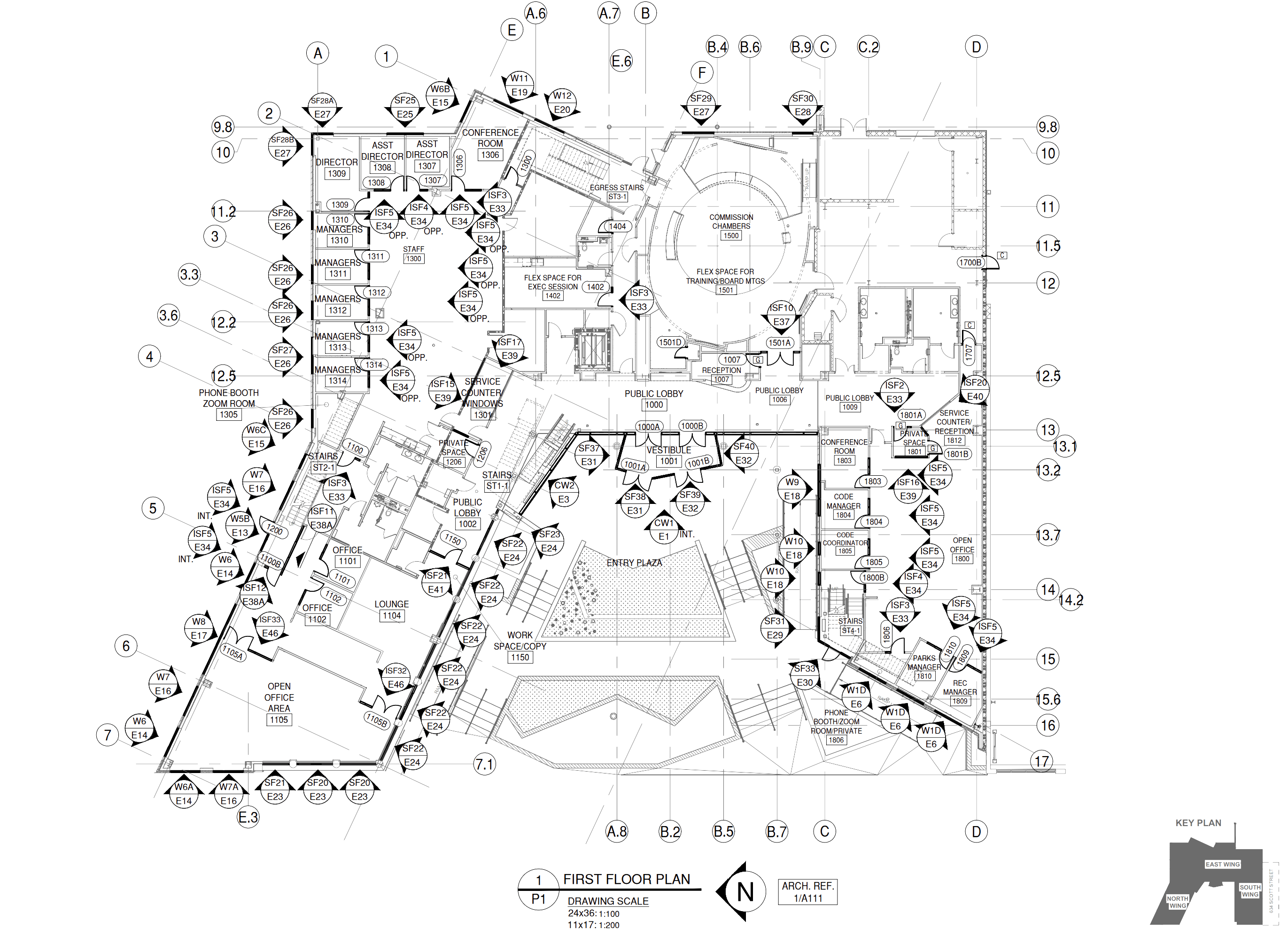
Curtain wall elevation and coordination detail

What We Handle

MP Drafting supports curtain wall shop drawings for commercial glazing contractors who need clear, coordinated documentation for review, fabrication, and field use.

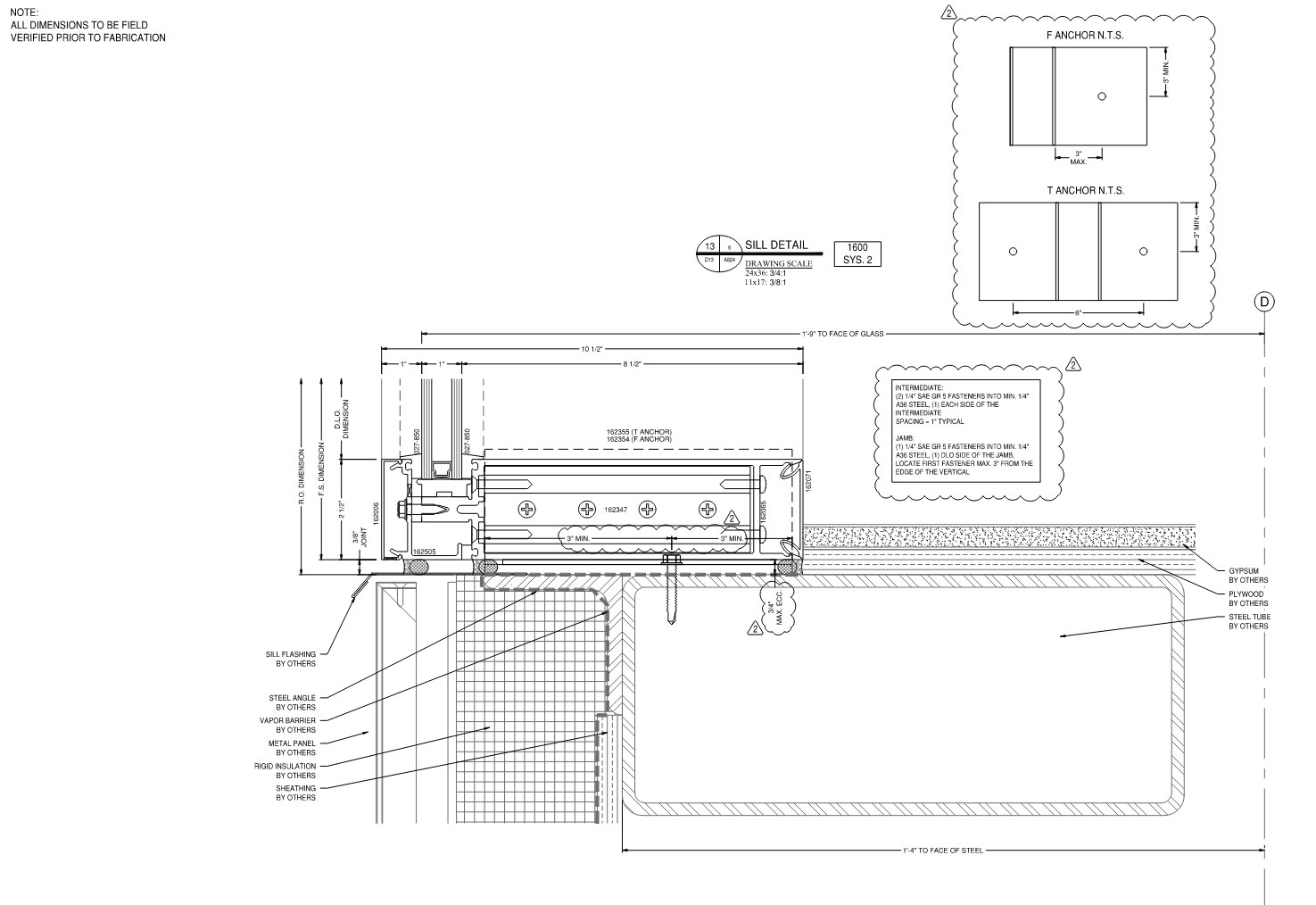
That includes typical curtain wall elevations, anchorage-related detailing, head, jamb, and sill conditions, surrounding condition coordination, dimensioning, notes, and revision-controlled updates as the job develops.

On curtain wall projects, the drawing set often has to do several things at once. It must present the system clearly for approval, provide enough dimensional and condition information to support fabrication planning, and give installers practical layout references they can actually use in the field. That is where a generic set starts to break down. Curtain wall requires more than a diagram. It requires integration.

MP Drafting is especially useful when the job has multiple interfaces, architectural inconsistencies, evolving design input, or a PM who does not have time to manage constant back and forth. We help turn a large volume of project information into a cleaner, more usable drawing package.

Curtain wall elevations

Coordinated with structural and architectural references for approval and field use.

Head, jamb, and sill conditions

Surrounding condition detailing that supports submittal review and planning.

Anchorage-related detailing

Fastener intent coordinated to conditions, not treated as an afterthought.

Revision-controlled updates

Organized changes as the job develops so revisions stay controlled, not chaotic.

What Usually Goes Wrong

Curtain wall problems rarely start with one dramatic mistake. More often, they start with missing clarity. Openings do not reconcile cleanly between floor plans and elevations. Frame locations are not communicated clearly enough for layout. Fastener intent is vague. Surrounding conditions are oversimplified. Notes are too thin to flag what still needs confirmation.

When that happens, material can be ordered incorrectly, fabrication can move forward with bad assumptions, and field crews are left solving problems that should have been addressed during drafting. Wrong sizes, missing quantities, bad joint assumptions, and incorrect glass or framing information all create downstream pressure. On curtain wall, that pressure gets expensive quickly.

Another common problem is timing. Contractors often come looking for help because their current drafting source is overloaded, communication has dropped off, or confidence in the set is gone. At that point, they do not want a flashy promise. They want a partner who can step in, review the job, ask the right questions early, and produce a drawing set they can trust.

Curtain wall coordination image

Common curtain wall drawing gaps

  • IN/OUT references and column line coordination
  • Fastener intent tied to actual substrate conditions
  • Notes flagging what still requires confirmation

What MP Drafting Brings to the Project

MP Drafting brings structure to curtain wall coordination. We do not treat the drawings as an isolated drafting task. We treat them as the planning layer that helps the rest of the project line up.

Professional appearance

Sets organized and presented to meet architect review standards, not just internal use.

Complete dimensioning

Thorough layout dimensions that reduce field guesswork and support fabrication planning.

Fewer pre-fabrication questions

A controlled drawing set that helps fabricators start without avoidable back-and-forth calls.

Clarity as the starting point

Complete dimensioning, clean annotation, field-useful layout information, and condition-based detailing reduce unnecessary questions later.

Process discipline throughout

Preview, kickoff, and controlled revision handling keep questions and changes organized instead of turning into chaos.

Drawing Clarity

What the Drawings Need to Clarify

Curtain wall drawings need to do more than show the system. They need to clarify how the system relates to the building.

That usually means elevations that coordinate with structural and architectural references, layout dimensions that support field placement, IN/OUT information where location matters, and column line references that help installers and project teams confirm they are working in the right place. It also means details that show surrounding conditions accurately enough to support submittal review and planning instead of forcing assumptions.

The set also needs to communicate what is confirmed, what is estimated, and what still requires clarification. That is especially important on curtain wall work where architectural inconsistency, structural coordination, and delegated design boundaries can all affect the final path forward.

Fasteners deserve specific attention

On many projects, the difference between a smooth install and a field problem comes down to whether attachment intent was coordinated properly in the drawing phase. Edge distances, substrate conditions, and attachment locations cannot be treated casually. Where the project calls for that level of detail, the drawings need to reflect it clearly.

  • Edge distances and substrate conditions addressed in the drawing phase
  • Attachment locations coordinated, not assumed
  • Notes that distinguish confirmed intent from items still requiring clarification
Curtain wall fabrication planning image
Curtain wall field layout image
Curtain wall condition detail image

Downstream Support

How This Supports Fabrication and Installation

Better curtain wall drawings help fabrication start with fewer open questions. Fabricators benefit from complete dimensioning, cleaner system interpretation, and fewer preventable back-and-forth calls before work begins. Installers benefit from layout information that is practical, not generic.

When dimensions are thorough and the surrounding conditions are represented correctly, crews have a better chance of placing the system where it belongs without guessing. Column lines, layout dimensions, and location references help verify positioning. Notes and details help identify issues before they become jobsite delays.

This is one reason shop drawings are not an afterthought on curtain wall. Engineering validates structural performance. Shop drawings coordinate reality. They help reconcile what the architect shows, what the building gives you, and what the field crew needs to install efficiently. When both drafting and engineering are required, they work best when each role is clearly defined and aligned.

Fabrication planning support

Complete dimensioning and cleaner system interpretation reduce pre-fab call volume.

Field layout clarity

Column lines and IN/OUT references help crews verify positioning without guessing.

Condition-based detailing

Surrounding conditions represented correctly so issues surface before they reach the jobsite.

When to Bring MP In

Bring MP in as soon as the project needs real coordination, not just linework. Curtain wall jobs benefit when the drafting partner is involved early enough to catch inconsistencies, review missing information, and build the set before bad assumptions harden into rework.

That can mean early submittal preparation on a standard project. It can also mean stepping in when the design is still moving, when architectural information needs to be reconciled, or when your regular resource is backed up and the schedule is already tightening. We also work on projects that need revisions to an existing set when the original drawings are not getting the job where it needs to go.

Matching detail level to project phase

If the project only needs a streamlined approval-level set, MP can quote that appropriately. If it needs a more complete standard submittal package, that is the core service. If it is a more collaborative design-build curtain wall effort, the drafting scope can expand accordingly. The point is to match the level of detail to the phase of the project without lowering the standard of professionalism.

Level of Detail Options

Compare what is included at each level before you submit a job.

Related Support and Options

Some curtain wall jobs need more than one layer of support. Here is how MP can help coordinate that path.

FAQs

Curtain Wall Shop Drawing Questions

Common questions about curtain wall scope, coordination, and what to expect when working with MP Drafting.

Can you work from an existing set that needs to be revised?

Yes. Some customers come to MP after another provider has stalled out or delivered a set they no longer trust. We can review the job and determine whether revising the existing work is the right path.

Do you handle curtain wall jobs that need engineering?

Yes. If engineering is required, it is coordinated as a separate role. MP Drafting handles the drafting and coordination side. Engineering handles structural validation.

How do you handle missing or conflicting architectural information?

We identify issues during drafting, point them out, and note where clarification is needed so the contractor can send the proper RFI or confirm direction before the issue turns into a field problem.

What do you need from us to start a curtain wall job?

At minimum, send the architectural drawings and a clear scope. Project-specific preferences, specifications, and any detail direction help us start cleaner and reduce assumptions.

What level of curtain wall detail do you provide?

That depends on the project phase. MP can quote streamlined approval-level work, more complete standard submittal work, or more collaborative design-build support. The right level depends on what the project actually needs.

What usually causes delays once drafting is underway?

Missing information is a common cause. That is why MP uses an early preview step and kickoff inputs to identify hold-ups before they create bigger delays later in production.

Why do contractors switch curtain wall drafting providers?

The common triggers are missed timelines, dropped communication, and loss of confidence in the quality of the set. Most contractors looking to switch are trying to avoid more confusion, not just find a lower number.

Will the drawings help the field with layout?

That is the goal. Thorough dimensions, IN/OUT references where needed, and column line coordination all help reduce field guesswork and support cleaner installation.

View Complete FAQs More questions answered clearly.

Need curtain wall shop drawings that are easier to work from?

Send the project information you have, select the level of detail that fits the job, and let MP Drafting review the scope. We will help you get from architectural set to coordinated curtain wall drawings with fewer surprises.