
The Vapor Barrier Detail Cheap Drafting Services Miss
Technical lessons from MP Drafting’s internal training program.
↓ Download the actual MP Drafting internal lesson drawing (PDF)
Some drafting companies can copy a detail. That does not mean they understand it.
That difference matters a lot in commercial glazing. A set of shop drawings may look clean on the surface, but the real value is in what the drafter understands while building those drawings. Frame sizes, dimensions, glass types, elevations, anchors, and details all matter. But so do the conditions surrounding the glazing system.
One of those conditions is the vapor barrier.
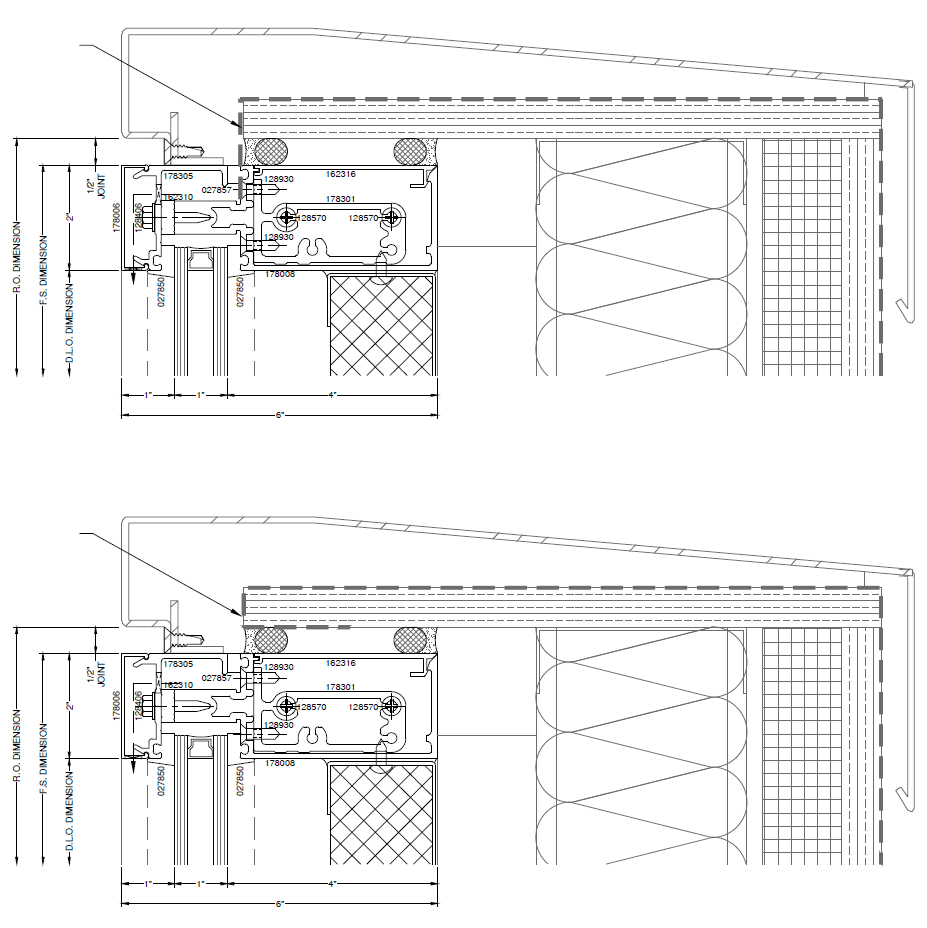
Architectural details may show the membrane glazed into the system. MP trains drafters to understand when the membrane should interact with the primary seal instead.
At first glance, vapor barrier interaction with a glazing system may sound like a small technical issue. It may look like one line on a detail. It may seem like something the architect, waterproofer, or general contractor already figured out.
But that one detail can affect water control, air control, install sequencing, sealant logic, and the long-term performance of the building envelope.
That is why MP Drafting teaches this topic internally. Not once in a while. Not only to senior people. This is the kind of technical thinking we train into our drafting team.
Because MP Drafting is not trying to build a team of basic drafting support. We are building glazing thinkers.
The mistake: assuming the architectural detail is always buildable
Architectural drawings are the starting point. They communicate design intent. They show how the architect wants the system to interact with the building.
But architectural details are not always fully coordinated with the exact glazing system, installation sequence, manufacturer requirements, or real field conditions.
A drafter who is only focused on copying lines may simply redraw what is shown.
A trained glazing drafter asks a better question:
Does this actually work with the system?
That question matters when dealing with vapor barriers and glazing systems.
Sometimes architectural details show the membrane or flashing being glazed directly into the system at the gasket area or shoulder of the mullion. On paper, this may look like a clean way to tie the building’s water control layer into the glazing system.
But MP’s standard approach is different unless the customer specifically directs otherwise. Our team is trained to show the membrane interacting with the primary seal, not being glazed into the system.
That is not a random preference. It comes from understanding how the glazing system is supposed to perform.
Why this detail matters
The primary seal is one of the most important parts of the glazing system. It separates the wet side from the dry side.
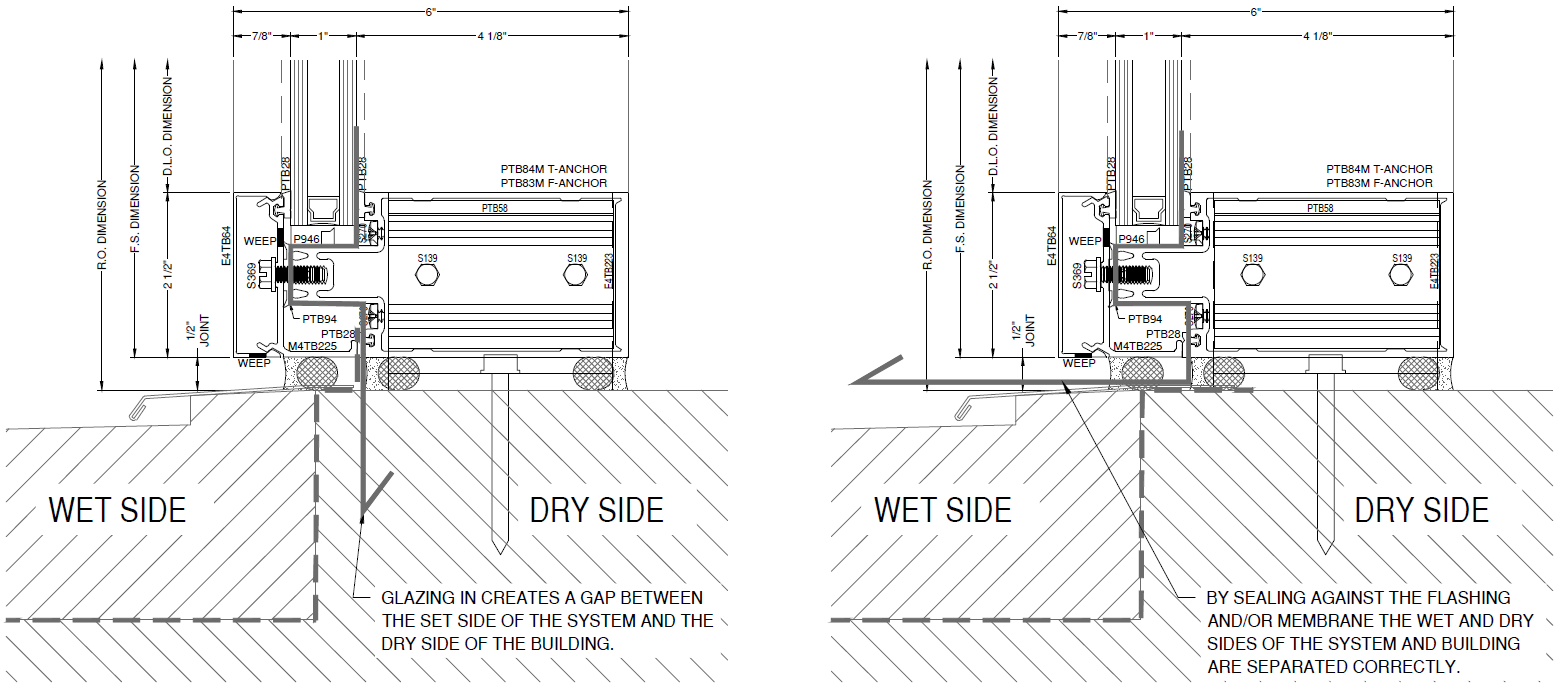
The real issue is not just where the line is drawn. It is whether the detail keeps the wet side and dry side separated correctly.
The building membrane is trying to do something similar. It is part of the building’s water and air control strategy.
When the membrane is glazed into the system incorrectly, several problems can show up:
- Movement issues. The membrane may be forced into an area where it has to deal with movement it was not intended to handle. Buildings move. Glazing systems move. Joints exist for a reason. If the membrane is trapped or stretched in the wrong way, it may tear over time.
- Wet side and dry side confusion. Instead of creating a clean, coordinated water-control strategy, the detail can accidentally create a gap or weak point where water management becomes unclear.
- Installation complications. A detail that looks simple in section may require a more involved sequence in the field. If that sequence is not clearly understood early, the installer may be left trying to solve it under schedule pressure.
That is where problems start. Not because someone ignored the drawing. Because the drawing did not fully explain how the detail should work.
This is where better drafting shows up
This is the kind of issue that separates professional glazing drafting from budget drafting.
Low-cost drafting often focuses on output. How fast can the sheets be produced? How low can the price be? How quickly can someone trace or copy the architectural intent into a submittal package?
That may get a drawing set out the door. But it does not always protect the project.
A stronger drafting partner is looking for the conditions that need clarification before fabrication, ordering, or installation begins.
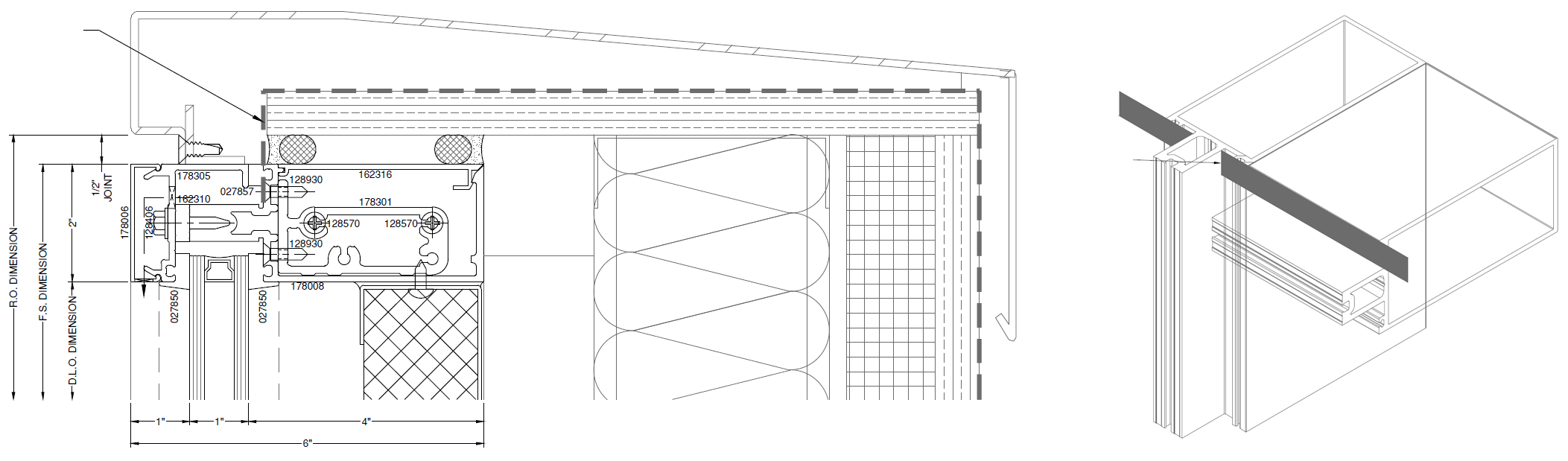
This is why MP teaches drafters to think beyond a flat section. A detail can look fine in 2D and still create problems when the actual system geometry is considered.
That does not mean the drafter becomes the architect. It does not mean the drafter overrides the engineer, manufacturer, contractor, or waterproofing consultant. It means the drafter understands enough to flag the right questions.
That is the value.
A trained MP drafter knows when something should be drawn according to MP’s standard approach, when a customer preference should control, and when a condition may need clarification.
That judgment is hard to see if you only compare drawing prices. But it becomes very easy to see when the project gets difficult.
Why MP teaches this internally
Every Monday, MP Drafting trains our team on technical topics like this.
Vapor barrier interaction is one example. Other topics include:
- Curtain wall splice joints
- Fastening limitations at brick lintels
- Inside vs. outside set storefront
- Shims at storefront and curtain wall framing
- Segmentation limits
- SSG versus captured curtain wall
- Mullion placement based on architectural dimensions
These are not random lessons. They are the details that show up in real projects.
They affect whether the drawing package is clear. They affect whether the installer has enough information. They affect whether the PM has to chase answers later. They affect whether fabrication is based on the right assumptions.
Most importantly, they affect whether the glazing contractor can trust the drawings.
That is the point of the training. We want our drafters to understand what they are drawing, not just how to draw it.
That is what this all comes back to.
Good shop drawings should do more than get approved. They should help protect the project from bad assumptions, unclear details, field confusion, and preventable delays.
That is why MP Drafting trains drafters differently. We are not just producing sheets. We are building technical judgment into the people behind them.
Because when a drafter understands glazing, they can catch the kind of detail a line pusher may copy right past. And that can make all the difference when the project gets real.
Want shop drawings from a team trained to think beyond the lines? Send us a job or review sample drawings to see how MP handles coordination.
Use Education to Get Ahead
Every missed deadline creates a ripple effect. Delayed fabrication, wrong orders, wasted time in the field. One way to cut that risk is by training your team to review drawings effectively.
LearnGlazing’s Shop Drawing Course makes it easier to spot issues before they become emergencies. Explore the course.